Key Facts About Civil Rights Activist and Leader Ella Baker
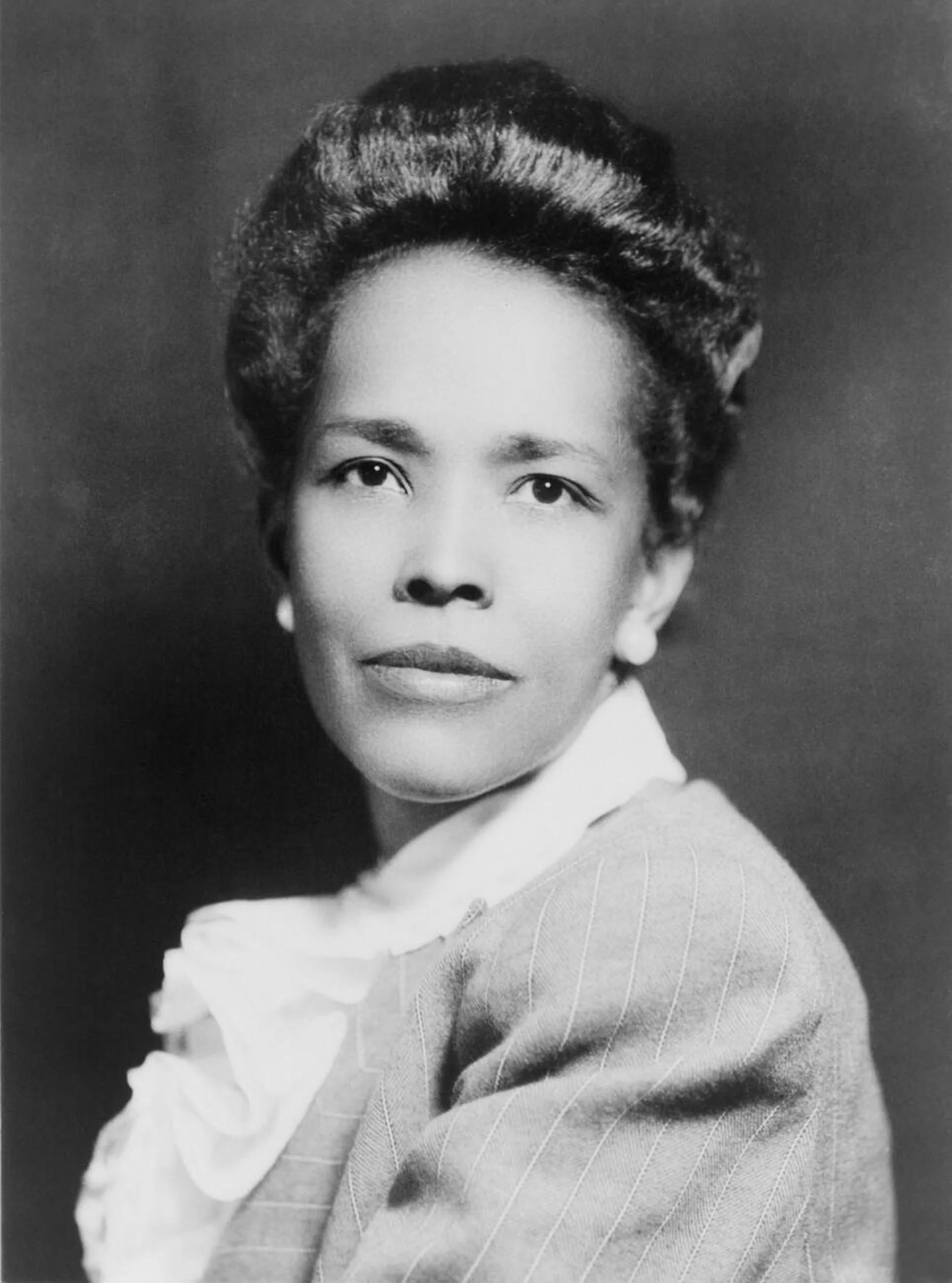
Ella Baker was a civil rights activist and organizer whose influence shaped the movement from behind the scenes. Rather than seeking the spotlight, she believed in empowering everyday people to lead. Throughout her life, Baker worked alongside many prominent civil rights leaders and played key roles in organizations such as the National Association for the Advancement of Colored People, the Southern Christian Leadership Conference, and the Student Nonviolent Coordinating Committee.
Early Life
Ella Baker was born on December 13, 1903, in Norfolk, Virginia, and raised in North Carolina.
From an early age, she developed a strong sense of justice, influenced by stories her grandmother shared about life under slavery.
Baker attended Shaw University in Raleigh, North Carolina, where she challenged unfair school policies and graduated as class valedictorian in 1927.
After graduating, Baker moved to New York City, where she became involved in various social justice and community organizations.
She worked as an editorial assistant for the Negro National News.
She was employed by the Works Progress Administration (WPA).
Living in Harlem during the Harlem Renaissance exposed her to Black cultural, political, and intellectual movements that deeply influenced her thinking.
Baker married her college sweetheart while in New York. The marriage later ended in divorce, though she kept her personal life largely private.
Career and Activism
In 1940, Baker began working with the NAACP as a field secretary and later as director of branches, traveling extensively to organize local chapters.
She helped establish In Friendship, an organization created to provide financial support to civil rights groups facing economic hardship.
Baker later moved to Atlanta, where she worked with Dr. Martin Luther King Jr. and played a key role in helping organize the Southern Christian Leadership Conference. She also led successful voter registration efforts.
Believing strongly in the leadership of young people, Baker organized a meeting at Shaw University to support students involved in the Greensboro sit-ins. From this meeting, the Student Nonviolent Coordinating Committee (SNCC) was formed.
Baker encouraged participatory leadership and rejected hierarchical models of power, famously believing that “strong people don’t need strong leaders.”
Legacy and Honors
SNCC grew into one of the most influential human rights organizations of the civil rights era.
The Ella Baker Center for Human Rights was founded in 1996 by Van Jones and Diana Frappier to continue her legacy of grassroots activism.
Baker became known as “Fundi,” a Swahili word meaning a person who passes knowledge and skills to the next generation.
Her organizing philosophy remains a foundational model for grassroots and community-based movements today.
Ella Baker eventually returned to New York, where she continued her activism. She died in 1986 at the age of 83 and is widely recognized as the backbone of the civil rights movement.
Why Ella Baker Matters
Ella Baker’s impact did not come from speeches or headlines, but from empowering ordinary people to lead extraordinary change. Her legacy reminds us that lasting movements are built from the ground up, not the top down.
Ella Baker’s legacy reminds us that real change often begins at the grassroots level, powered by ordinary people who refuse to stay silent.
