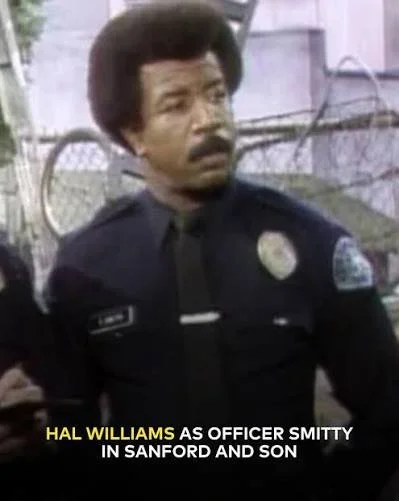
The Man Who Made Our Family Room Feel Like Home: Remembering Hal Williams
Every family has a show, and for ours it was Sanford and Son. This week we lost Hal Williams, the actor behind Officer "Smitty," at 91. What we didn't know until now: he was born and raised in Columbus, Ohio, the same city where our family gathered episode after episode, and he even went to the same high school as my niece. A tribute to the man, his remarkable career, and the hometown connection we never saw coming.
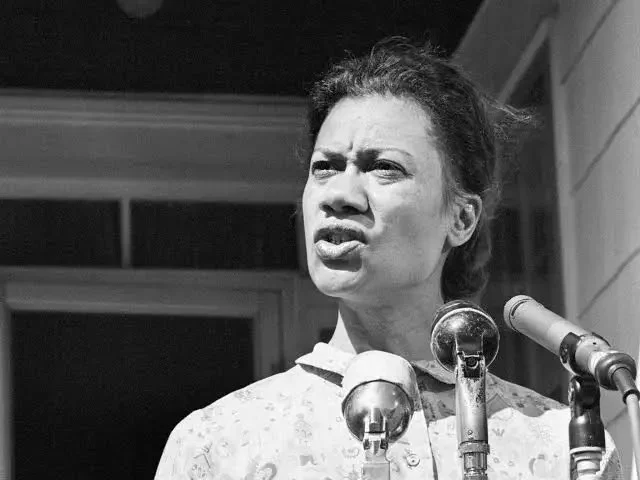
The Woman Who Pushed the Bayonet: Why Gloria Richardson is the "No Kings" Icon We Forgot
We’re often told that progress is a slow negotiation with power. Gloria Richardson called 'bull' on that. From boycotting votes on her own humanity to being silenced by the 'Kings' of the Civil Rights Movement, Gloria’s story is the ultimate blueprint for grassroots resistance. Discover why her 'uncompromising' spirit is exactly what we need in the streets today.
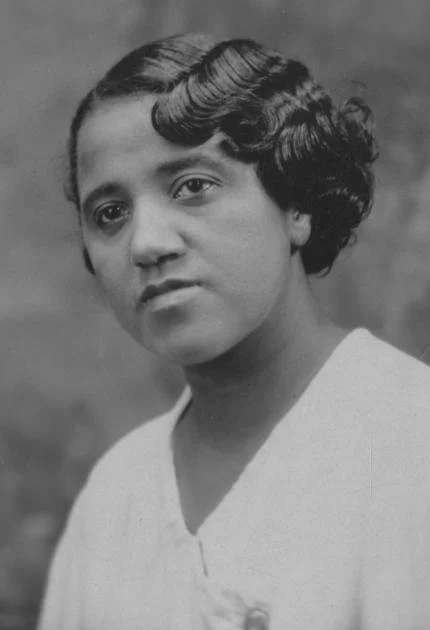
Marjorie Stewart Joyner: The Black Woman Who Revolutionized Hair Care and Beauty Education
Marjorie Stewart Joyner was a pioneering Black inventor and educator who transformed the beauty industry. As the creator of the permanent wave machine and a leader in beauty education, her legacy continues to shape modern hair care and entrepreneurship.
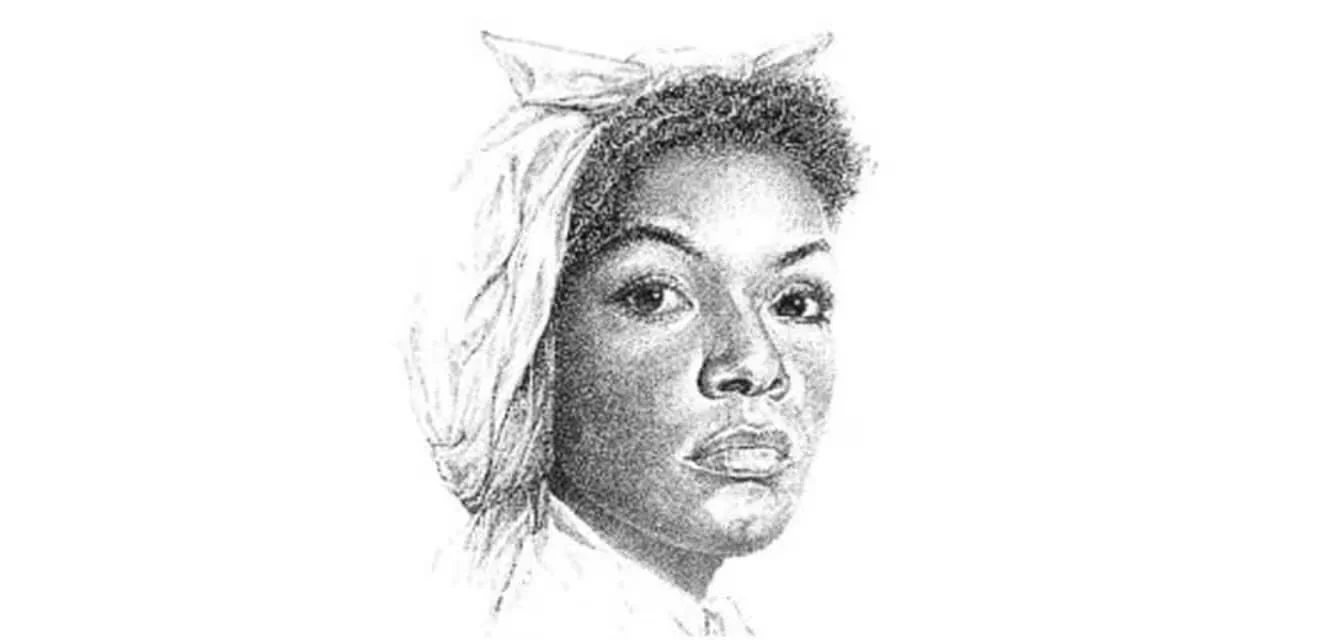
Mary Elizabeth Bowser: The Black Woman Who Spied Inside the Confederate White House
Mary Elizabeth Bowser was an enslaved girl turned Civil War spy who infiltrated Jefferson Davis’s household, using her memory and wit to pass Union secrets from the heart of the Confederacy.
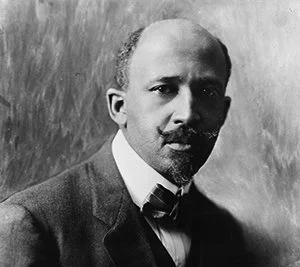
Unknown Facts About W. E. B. Du Bois You Probably Didn’t Know
Discover lesser-known aspects of W. E. B. Du Bois’s life, from surprising academic roots to hidden influences on modern civil rights movements. Explore, learn, and gain a deeper understanding of a pivotal figure in American history.
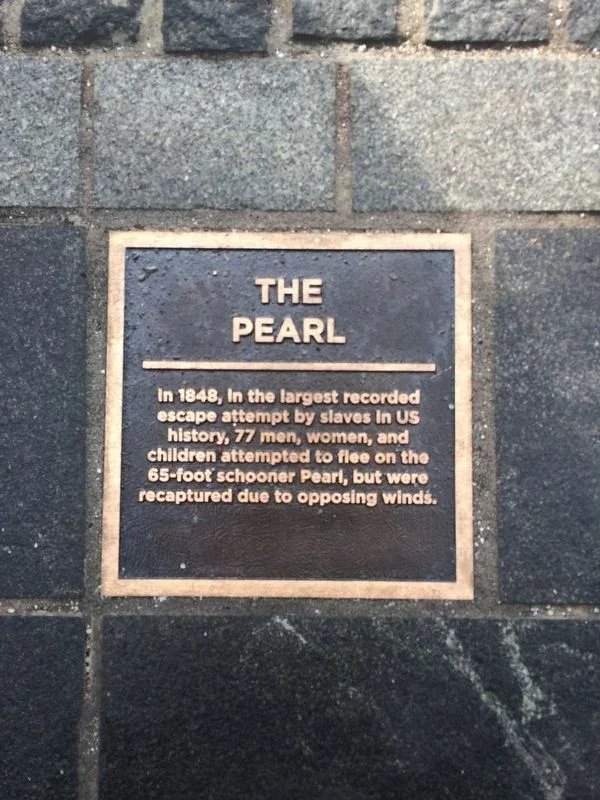
The Pearl Escape of 1848: Seventy-Seven People Who Tried to Sail to Freedom in the Shadow of the U.S. Capitol
In April 1848, seventy-seven enslaved people boarded a small schooner called The Pearl in Washington, D.C., hoping to sail 225 miles to freedom. Their coordinated escape attempt, planned in the shadow of the U.S. Capitol, became one of the largest mass escape efforts in American history and helped shape national debates on slavery.
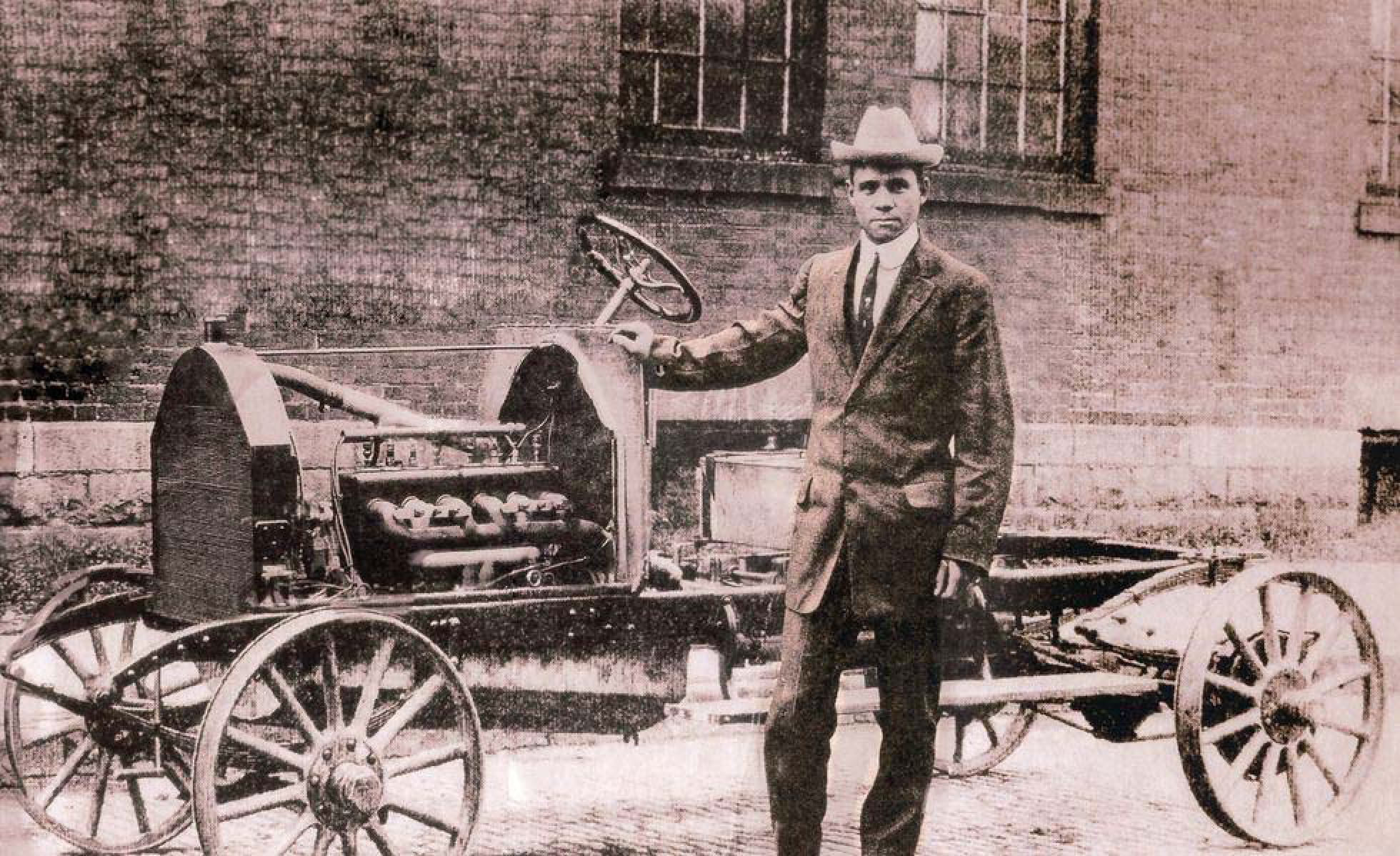
Untold Black History Stories: Hidden Heroes Who Shaped America
Black history is more than the names we hear every February. Discover untold Black history stories of innovators, educators, musicians, and entrepreneurs who shaped America but were left out of the textbooks.
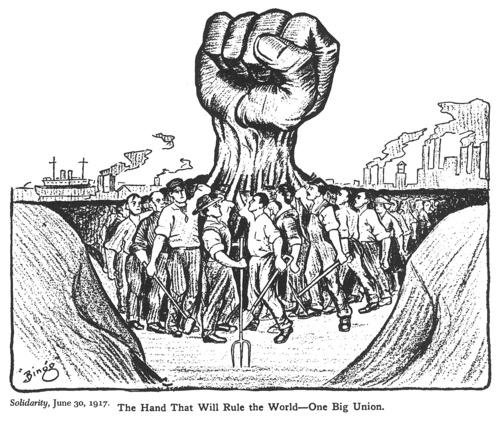
10 Events in History that have used the Raised Fist Symbol
Explore 10 powerful moments in history when the raised fist symbolized resistance, from 19th‑century uprisings to Black Power, feminism, Pride, and Black Lives Matter.
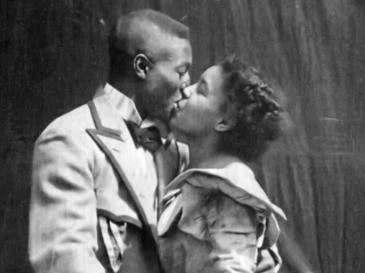
The First Black Kiss on Film: Rediscovering Joy in 1898
Something Good – Negro Kiss (1898): The first Black kiss on film featuring Saint Suttle and Gertie Brown. This rediscovered silent short challenged early cinema stereotypes, explore its history, rediscovery, and why it matters for Black film history.
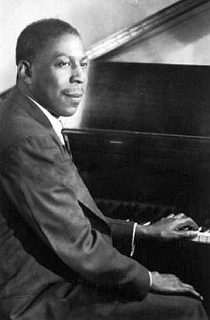
What’s in a Name? Discovering Big Maceo Merriweather
Big Maceo Merriweather hammered blues piano from Georgia farms to Detroit parties and Chicago's Bluebird Records, crafting "Worried Life Blues"—a hit that shaped rock legends. Discover his migration story, thunderous left-hand groove, and how a museum visit connected his legacy to one family's son.
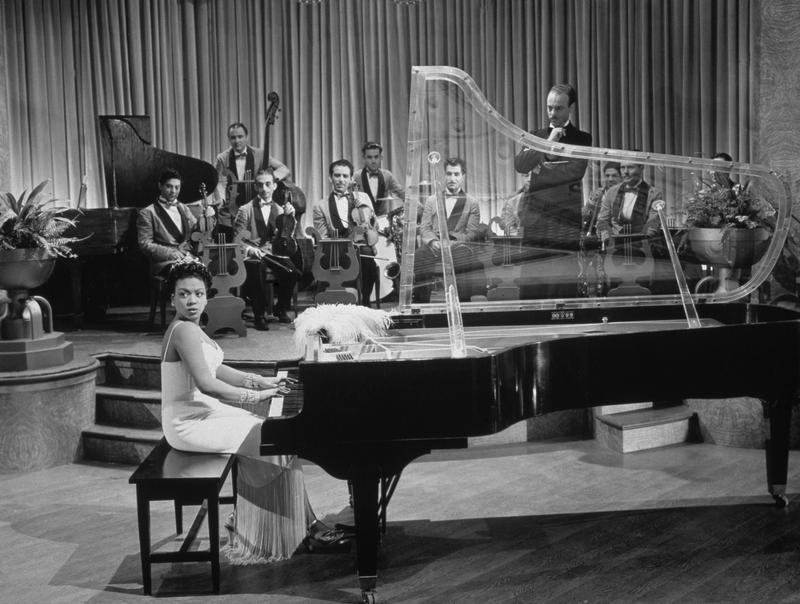
Hazel Scott: Jazz Genius, Activist Icon, Silenced by the Red Scare
Hazel Scott, child piano prodigy turned jazz icon, dazzled Juilliard at 8, headlined Café Society over Billie Holiday, and broke TV barriers as the first Black woman with her own CBS show, discover her bold fight against racism, McCarthyism, and Hollywood stereotypes.
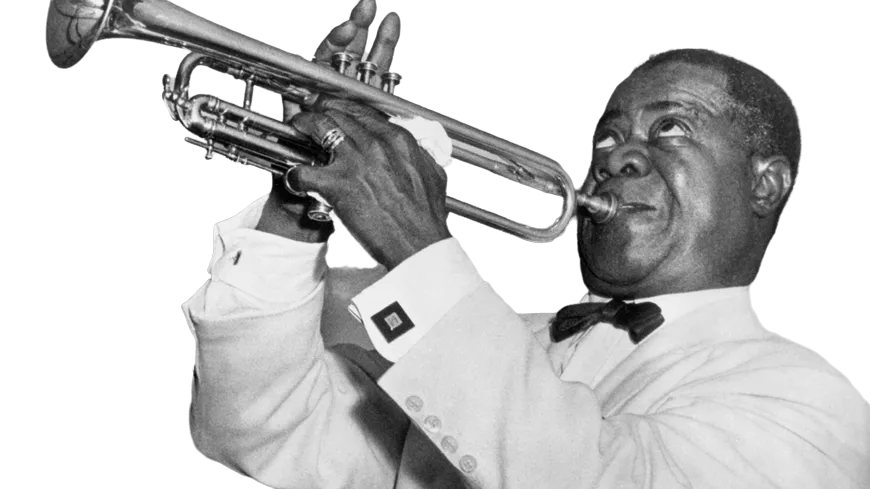
Louis Armstrong: 20 Facts You Probably Didn’t Know
Most people know Louis Armstrong as a jazz legend with a gravelly voice and unforgettable trumpet sound. But there’s much more to his story. Here are 20 fascinating facts about the man who changed American music forever.
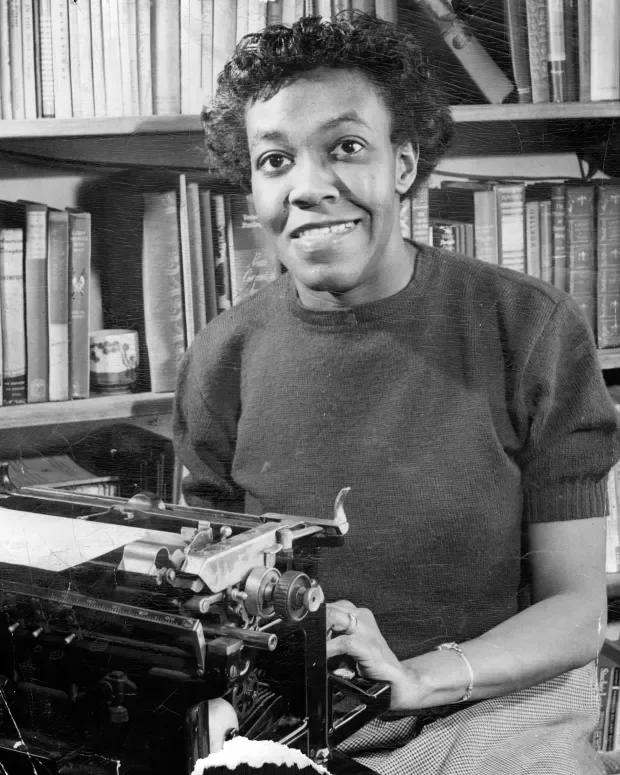
Gwendolyn Brooks: The Poet Who Turned Black City Life into Literature
Gwendolyn Brooks became the first Black author to win a Pulitzer Prize, capturing the rhythms, struggles, and beauty of Black life in Chicago. Her poetry transformed everyday city experiences into lasting American literature.
Sarah E. Goode: The First Black Woman to Receive a U.S. Patent
In 1885, Sarah E. Goode became the first Black woman to receive a U.S. patent for her invention, a folding cabinet bed designed to maximize space. Her innovation reflected both ingenuity and the realities of urban life in post-Reconstruction America.
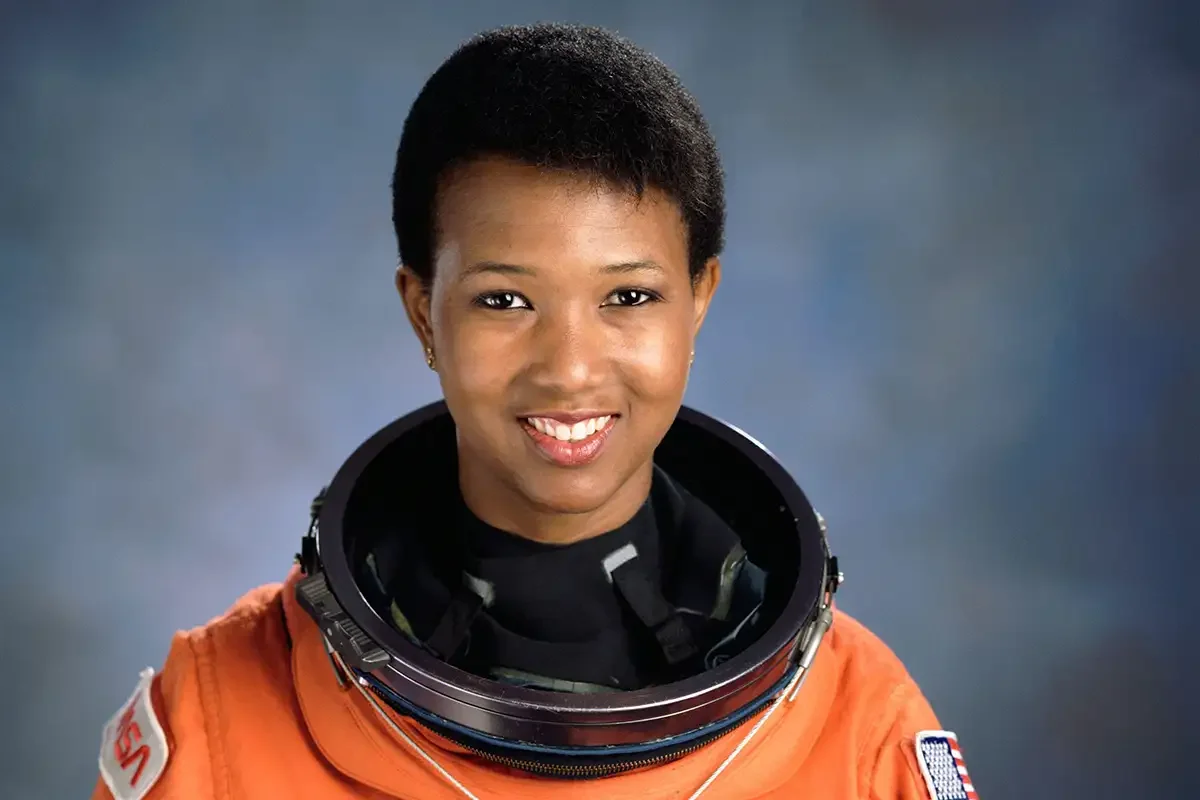
Mae Jemison: The First Black Woman Astronaut and More Than a First
Mae Jemison, the first Black woman in space, went from Chicago classrooms to NASA astronaut, doctor, and STEM leader, learn how her life story inspires kids, families, and educators today.
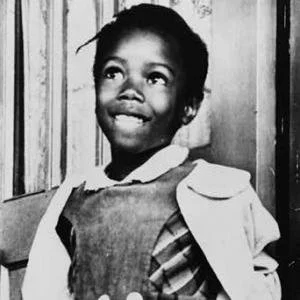
Ruby Bridges: The Civil Rights Icon We’re Still Not Teaching in Full
Mae Jemison went from a curious kid in Chicago devouring astronomy books to the first Black woman in space, a doctor, engineer, and STEM champion for our kids. Her journey shows Black girls that science, medicine, and space aren’t off-limits, they’re waiting for them.
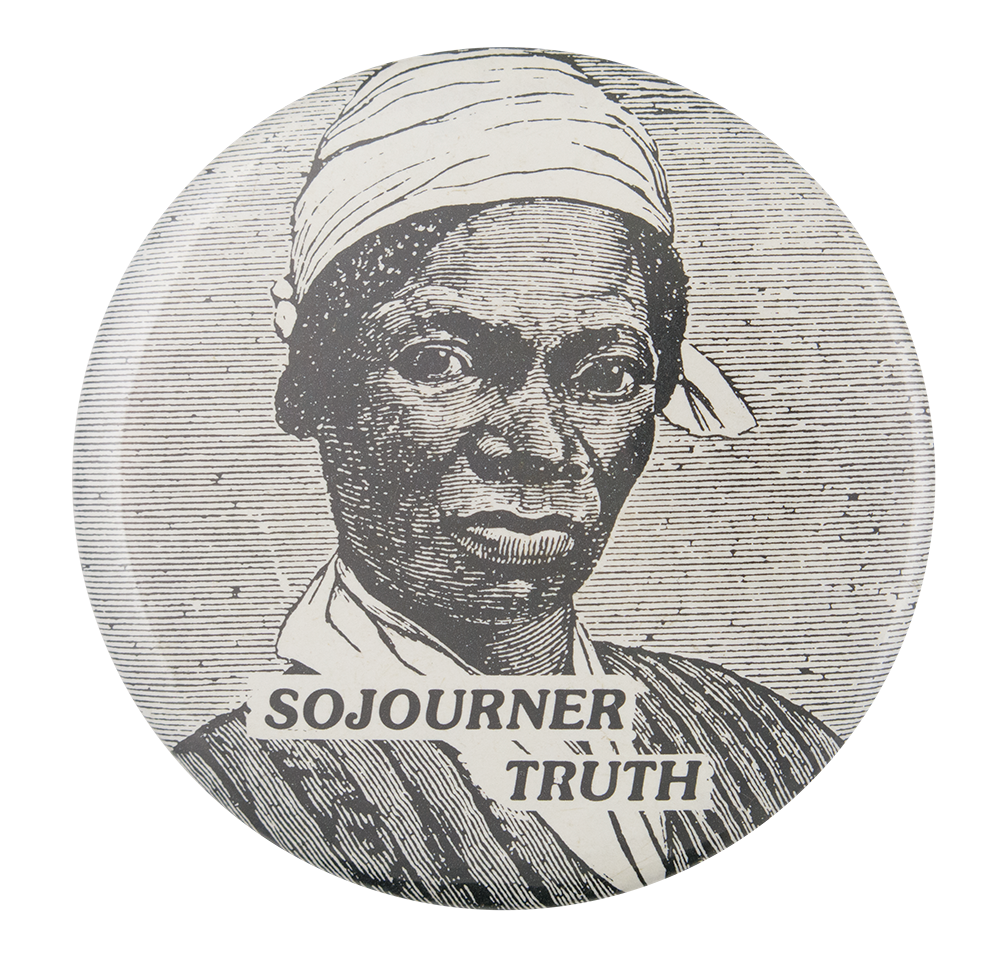
Sojourner Truth: More Than the Quote We Keep Repeating
Sojourner Truth is often remembered for one powerful phrase, but her life extended far beyond a single speech. As an abolitionist, women’s rights advocate, and traveling preacher, she reshaped conversations about race and gender in 19th-century America.
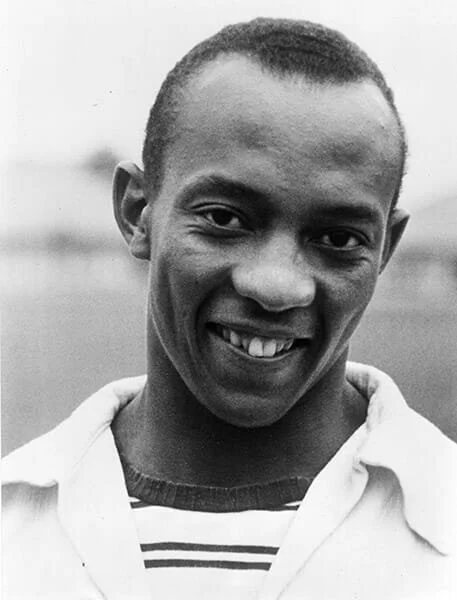
Jesse Owens: 20 Facts You Probably Didn’t Know
At the 1936 Berlin Olympics, Jesse Owens won four gold medals and challenged Nazi racial ideology on the world stage. These 20 facts explore his athletic achievements and lasting legacy.
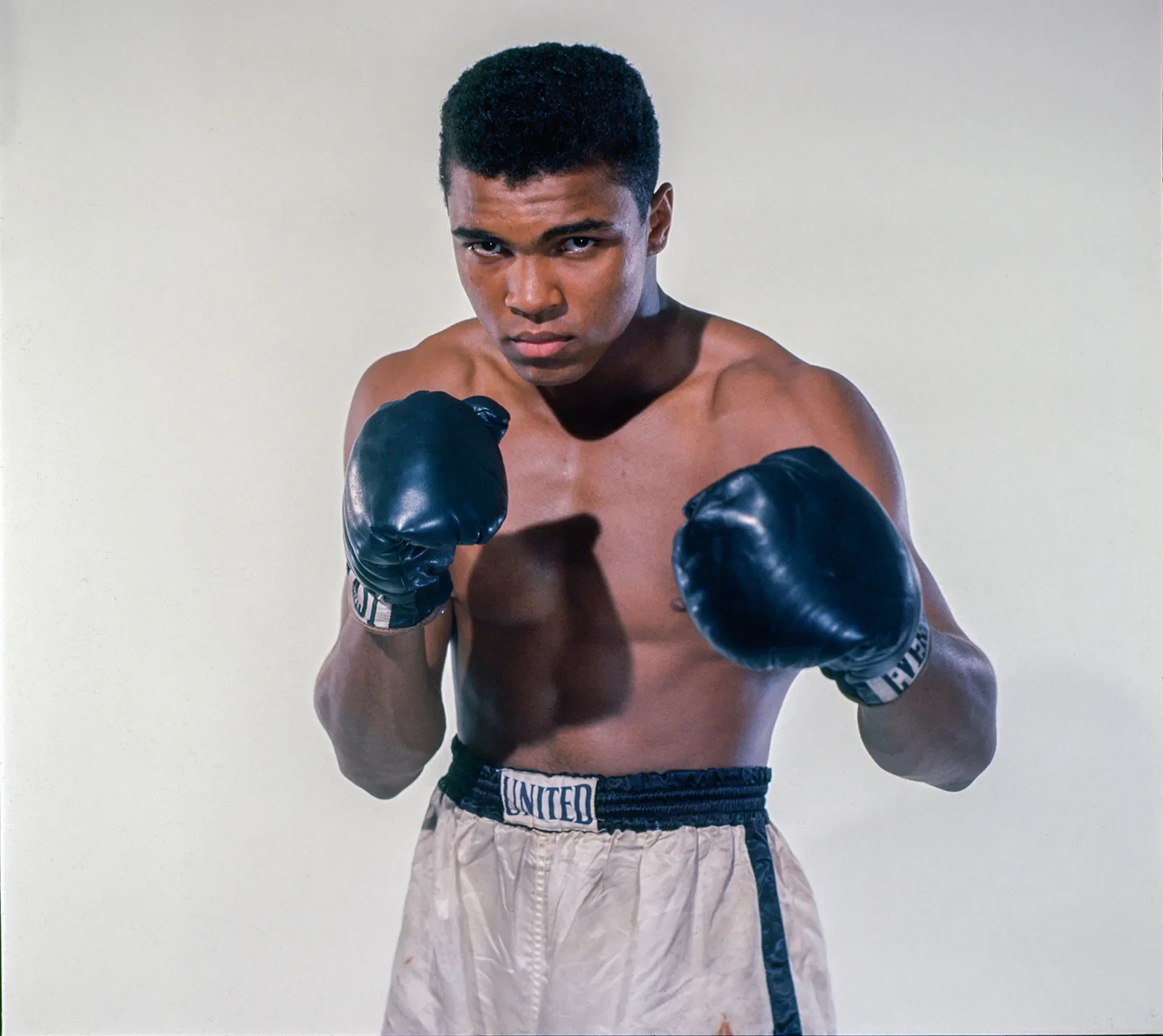
Muhammad Ali: 25 Facts You Should Know About “The Greatest”
Muhammad Ali was more than a boxing champion—he was a global icon who challenged racism, war, and injustice. These 25 facts explore his career, activism, and enduring cultural legacy.
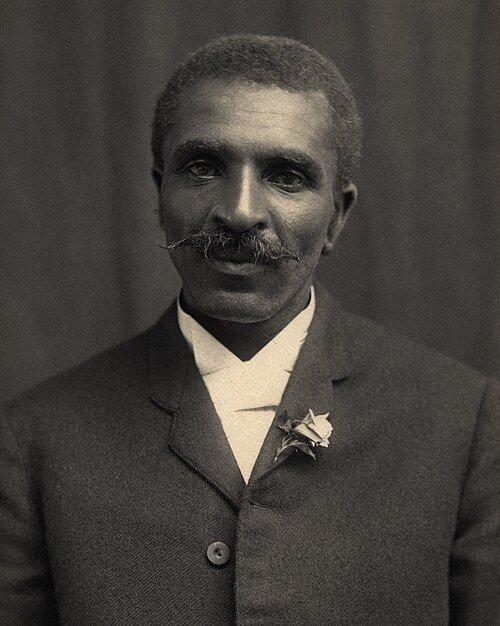
George Washington Carver: More Than “The Peanut Man”
George Washington Carver rose from enslavement to revolutionize agriculture with peanuts, sweet potatoes, and crop rotation—busting myths like peanut butter invention while teaching poor farmers to thrive. Perfect for classrooms and families exploring Black excellence.