Frederick Douglass: The Abolitionist Who Used Words as Power
“Once you learn to read, you will be forever free. ”
Watch YOUR KID PROFESSORS discuss Frederick Douglass
Who Was Frederick Douglass?
Frederick Douglass was an abolitionist, writer, orator, publisher, and political thinker who understood something radical for his time: control the narrative, and you challenge power.
Born into slavery, Douglass escaped bondage and became one of the most influential voices of the 19th century. Through speeches, books, newspapers, and photography, he reshaped how Black Americans were seen and how freedom itself was argued.
He was not simply a former enslaved person telling his story. He was a strategist, a public intellectual, and a master of language.
Explore the sidebar on the left. You can add media to add color to your post. You can also change the cover image, optimize the SEO Settings, add categories or tags, and much more. Spend some time discovering each tab and learn how you can enhance your future posts.
Early Life and the Fight for Literacy
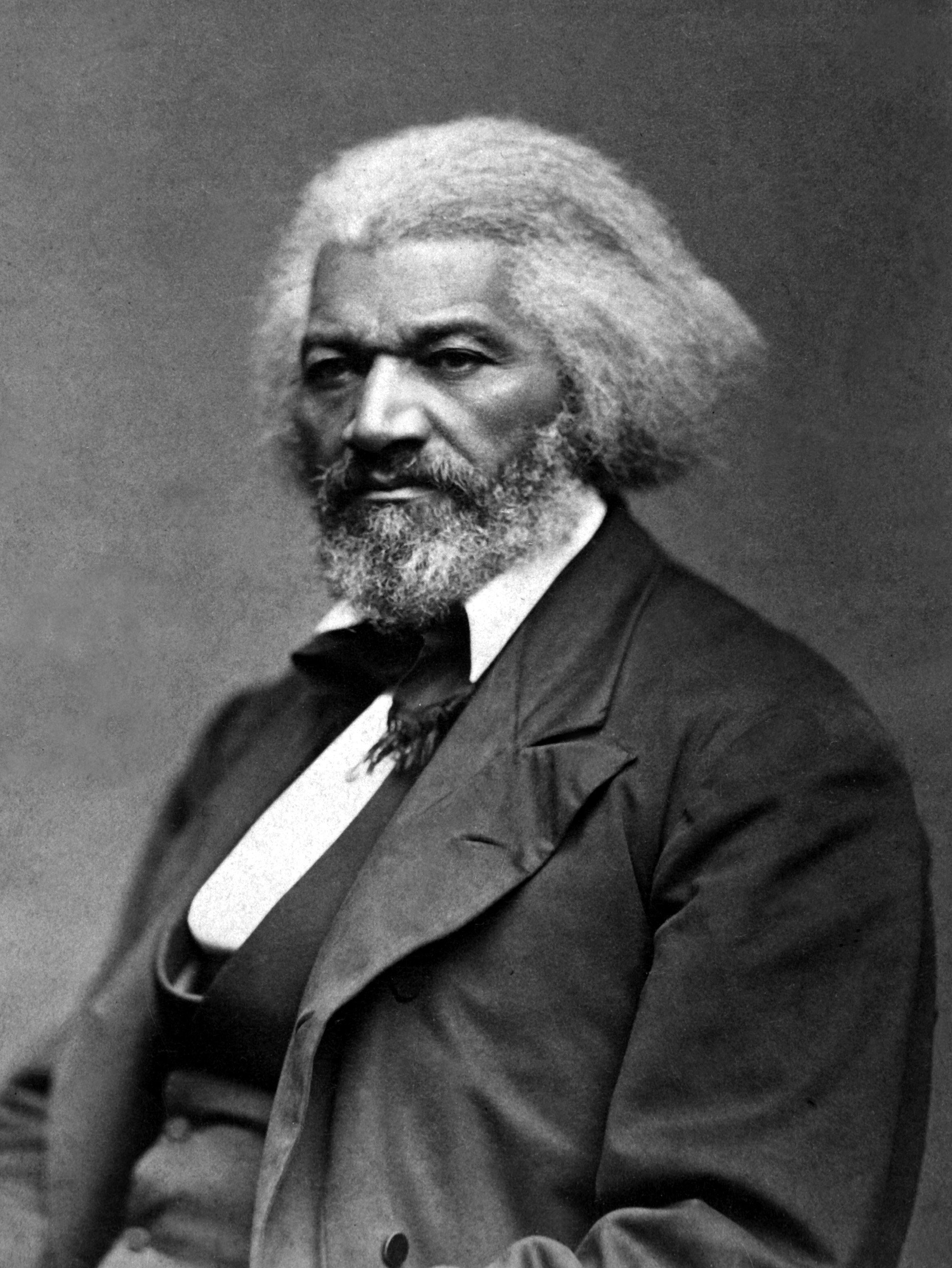
Frederick Douglass was born Frederick Augustus Washington Bailey around 1818 in Maryland. His exact birth date is unknown, a reality he later spoke about openly, noting that enslaved people were often denied even the knowledge of their own age.
His father was white, likely his enslaver, and his mother was enslaved and separated from him early in life. He was raised primarily by his grandmother.
As a child, Douglass realized that literacy was power. When formal instruction was forbidden, he found other ways to learn, trading bread with white children in exchange for reading lessons. He later described reading as the turning point that made freedom imaginable.
Escape From Slavery
In 1838, at about 20 years old, Douglass escaped slavery using a disguise and documents borrowed from a free Black sailor. It was his third attempt.
He fled to New York and later settled in New Bedford, Massachusetts, where he adopted the name Douglass, inspired by a poem from Sir Walter Scott’s The Lady of the Lake.
Freedom did not bring safety. Speaking publicly about slavery put his life at risk, but silence was never an option.
Writing as Resistance
In 1845, Douglass published Narrative of the Life of Frederick Douglass, an American Slave, the first of three autobiographies. The book exposed the brutality of slavery and shattered myths used to justify it.
His writing was so powerful that many white readers refused to believe he had written it himself.
To control his own voice, Douglass founded The North Star newspaper in 1847. It became one of the most influential antislavery publications in the United States, using journalism as a tool for liberation.
Photography, Power, and Public Image
Frederick Douglass was the most photographed American of the 19th century, even more than Abraham Lincoln.
This was intentional.
Douglass believed photography could counter racist caricatures by presenting Black people with dignity and authority. He often posed without smiling to challenge the false image of the “happy slave” and insisted on being seen as serious, thoughtful, and human.
Women’s Rights and Political Influence
Douglass believed freedom was incomplete if it excluded women. He was the only Black man to attend the 1848 Seneca Falls Convention and spoke in support of women’s suffrage.
Though he later disagreed with some leaders in the women’s movement, he never abandoned the belief that justice must be shared.
He also served in several federal roles, including U.S. Marshal for the District of Columbia, becoming one of the most prominent Black political figures of his time. He advised presidents, including Abraham Lincoln, while remaining openly critical of American hypocrisy.
Death and Legacy
Frederick Douglass died on February 20, 1895, at the age of 77, after attending a meeting of the National Council of Women. He collapsed at his home, Cedar Hill, where he had been preparing to speak yet again.
His legacy helped shape Black History Month, as early celebrations of Black history were tied to the time of year associated with his chosen birthday, February 14.
Douglass is remembered not only for rising from slavery, but for never allowing America to forget its unfinished promises.
Why Frederick Douglass Still Matters
Frederick Douglass teaches us that freedom is not just physical.It is intellectual.It is narrative.It is who gets to speak and be believed.
He didn’t just escape slavery.He challenged the nation’s conscience with words sharp enough to last centuries.
