Marjorie Stewart Joyner: The Black Woman Who Revolutionized Hair Care and Beauty Education
Long before beauty was a billion-dollar industry, it was a pathway to independence for Black women. In that world, Marjorie Stewart Joyner didn’t just style hair—she transformed the industry.
From inventing a groundbreaking hair-waving machine to training thousands of women in beauty schools across the country, Joyner helped turn salons into spaces of opportunity, empowerment, and economic growth. Her story is a reminder that innovation doesn’t just change how we look—it can change how we live.
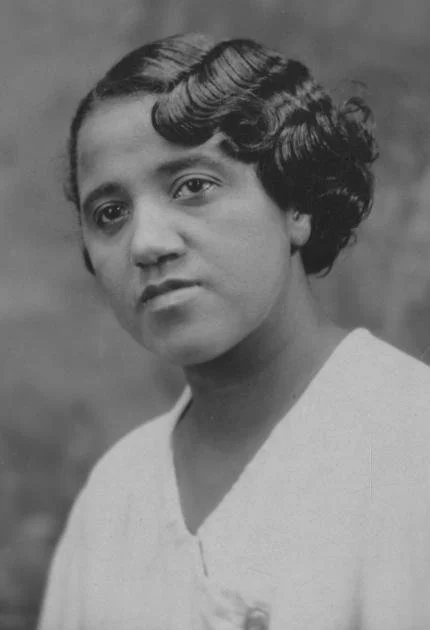
Marjorie Stewart Joyner
Who is majorie stewart Joyner?
Marjorie Stewart Joyner (1896–1994) was a groundbreaking African American inventor, educator, and businesswoman. She’s best known as the first Black woman to receive a patent for a permanent wave machine. Yes, before salons were casually frying people’s hair for beauty standards, she was literally engineering the process.
The invention that changed hair care
Joyner invented a permanent wave machine in 1928. It used rods and heat to curl or straighten hair more efficiently. The inspiration? Not some high-tech lab. She got the idea from looking at pot roast rods in a kitchen. Innovation really said, “What if dinner… but make it hair.”
Her invention:
Made hairstyling faster and more consistent
Helped Black women access more styling options
Became widely used in salons across the country
And here’s the part that should annoy you:
She didn’t personally profit much from it because she assigned the patent to the company she worked for. Capitalism stays undefeated.
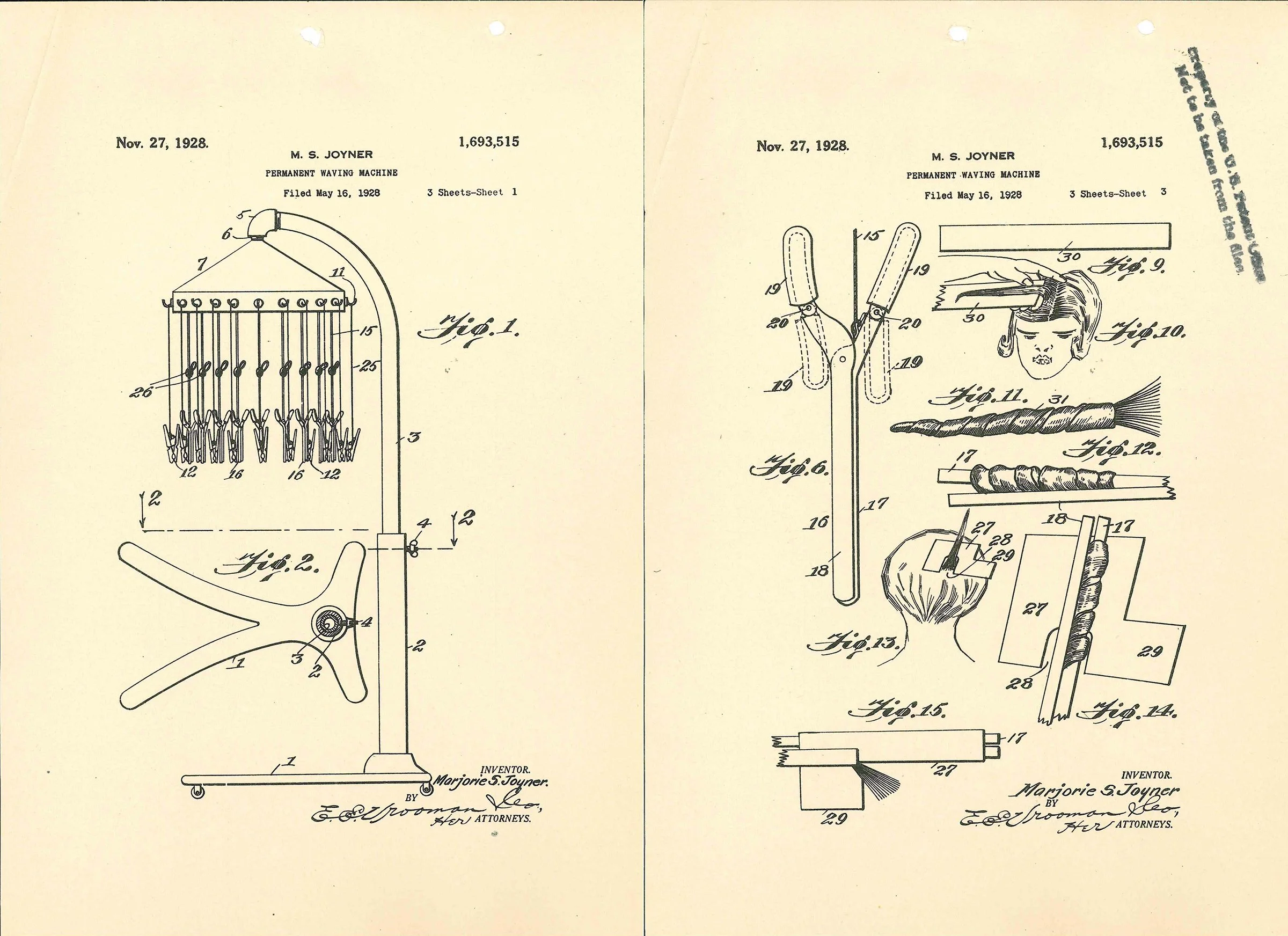
Submitted drawings for permanent wave machine, 1928, Sheets 1 and 3 of 3.
National Archives at Kansas City, Records of the Patent and Trademark Office View in National Archives Catalog.
Connection to Madam C.J. Walker
Joyner worked closely with Madam C. J. Walker, one of the first self-made female millionaires in the U.S.
She:
Helped run Walker’s beauty empire
Trained thousands of Black women as beauticians
Became a national supervisor for Walker salons
So while Walker built the empire, Joyner helped scale it and educate a generation.
More than just hair
Joyner wasn’t just about curls and chemicals. She was deeply involved in:
Education and training programs for Black women
Civil rights work, including leadership roles in organizations like the NAACP
Advocacy for economic independence through beauty culture
Why she matters
Joyner represents something bigger than one invention:
Black women innovating in overlooked industries
Turning beauty into economic power
Building systems, not just products
And like a lot of Black innovators, she didn’t get the credit or money she deserved at the time. History has a habit of doing that and then pretending it’s surprised later.
