Mary Elizabeth Bowser: The Black Woman Who Spied Inside the Confederate White House
History loves generals. It loves presidents. It loves loud men on horseback.
It rarely celebrates the Black woman quietly memorizing state secrets in the room next door.
Mary Elizabeth Bowser’s life reads like a spy thriller, but it’s also a masterclass in strategy, intelligence, and resistance right in the heart of the Confederacy. For Tellers Untold, she is exactly the kind of hidden heroine whose story challenges young artists, students, and creatives to rethink what courage really looks like.
Who Was Mary Elizabeth Bowser?
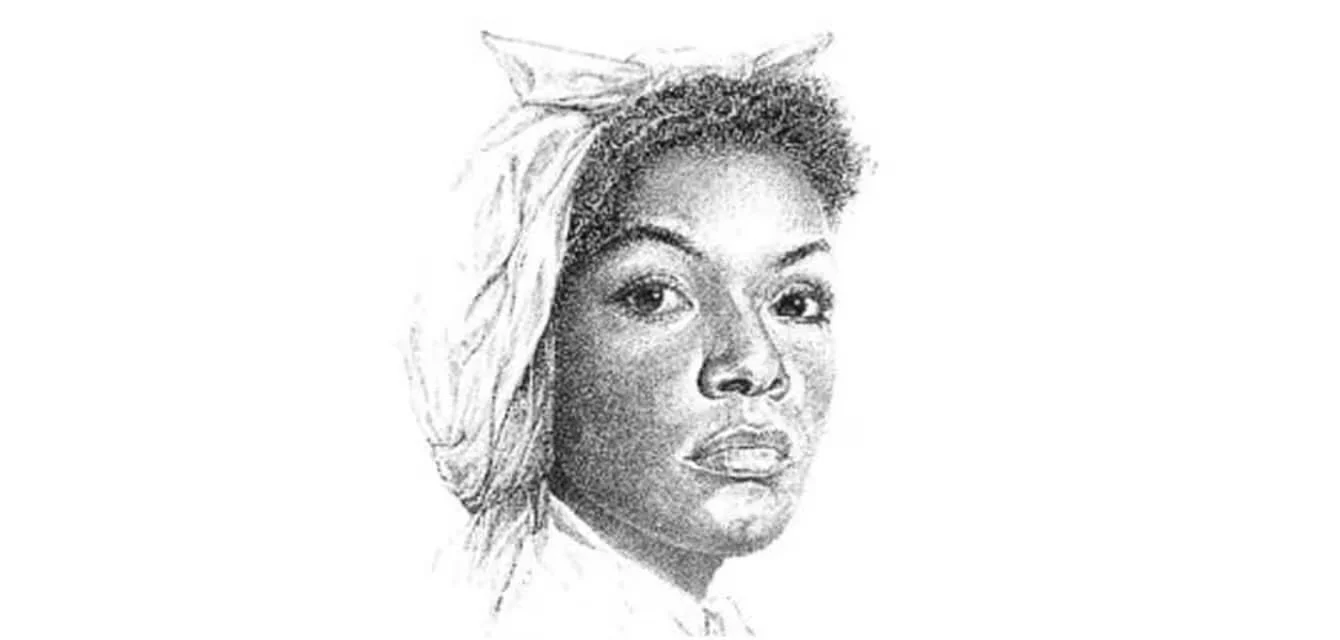
A drawing of Mary Elizabeth Bowser
Mary Elizabeth Bowser was born enslaved in Richmond, Virginia, owned by a wealthy merchant. After his death, the Van Lew family freed the people they had enslaved. Elizabeth Van Lew, an outspoken abolitionist, recognized Mary’s brilliance early on and arranged for her to attend a Quaker school in Philadelphia in the late 1850s.
Let that sink in. A formerly enslaved Black woman, educated in the North, was returning to the South on the eve of the Civil War.
That education would become a weapon.
From Classroom to Covert Operative
When the Civil War began, Elizabeth Van Lew built a Union spy network in Richmond. Publicly, she played the role of “Crazy Bet,” acting eccentric to avoid suspicion. Privately, she ran one of the most effective intelligence operations of the war.
Mary became the network’s most powerful asset.
Under the alias “Ellen Bond,” she secured work inside the Confederate White House, the executive mansion of Jefferson Davis in Richmond. She served meals. She cleaned rooms. She moved silently through conversations about troop movements and battle strategy.
White Confederate officials assumed she was illiterate and invisible.
She was neither.
Mary could read. She could write. She reportedly had a near-photographic memory. She read documents left on Davis’s desk, memorized military plans, and passed them along to Union contacts through coded communication methods.
A Black woman, born enslaved, was one of the Union’s most valuable intelligence sources. And the Confederacy never fully realized it.
That’s not just bravery. That’s strategy.
The Risk Was Absolute
Espionage in wartime is deadly work. If discovered, Mary would have faced imprisonment or execution.
As suspicion grew in Richmond, she eventually fled the city in 1865. Some accounts suggest she attempted to burn Confederate documents before escaping. After the war, many Union spy records were intentionally destroyed to protect operatives, including Mary and Elizabeth Van Lew.
Because of that, much of her later life remains uncertain. No confirmed date of death. No detailed archive. No preserved diary.
And that absence matters.
Black women have repeatedly shaped history in ways that were later erased, minimized, or buried. Mary’s story is not just about secrecy during war. It is about how Black intelligence has long been underestimated and how that underestimation has sometimes become a tool for survival.
A Long-Delayed Recognition
In 1995, Mary Elizabeth Bowser was inducted into the U.S. Army Military Intelligence Corps Hall of Fame at Fort Huachuca. Officials described her as one of the highest placed and most productive espionage agents of the Civil War.
More than a century later, the country finally acknowledged what she had done.
It took that long to say her name in an official room.
Why Her Story Still Matters
For Tellers Untold, Mary Elizabeth Bowser is more than a Civil War figure.
She represents:
Intelligence as resistance
Performance as strategy
Education as power
Silence as subversion
She weaponized the very stereotypes meant to diminish her. She understood the room. She read it. She memorized it. She used it.
Not every revolutionary is loud.
Not every leader stands at a podium.
Some of the most powerful people in history were the ones no one thought to look at twice.
Reflection for Students and Educators
Who are the “invisible” people doing courageous work in our communities today?
Who is underestimated in your classroom, workplace, or creative field?
And what happens when we stop overlooking them?
If you want this even more aligned with your Kid Professors lane, you could add a short sidebar like:
Creative Challenge:
Write a short scene imagining Mary inside the Confederate White House. What does she notice? What does she hear? What does she choose to remember?
That turns a blog post into an educational tool. Which, let’s be honest, is your superpower.
