When we talk about Black history, the same names tend to surface again and again. They deserve recognition. But they are not the whole story.
Black history is filled with innovators, artists, educators, and entrepreneurs whose contributions were groundbreaking yet rarely included in textbooks. At Tellers Untold, our mission is simple: bring those stories forward.
Here are some powerful untold Black history stories that deserve far more attention.
Robert Smalls: From Enslaved Man to U.S. Congressman
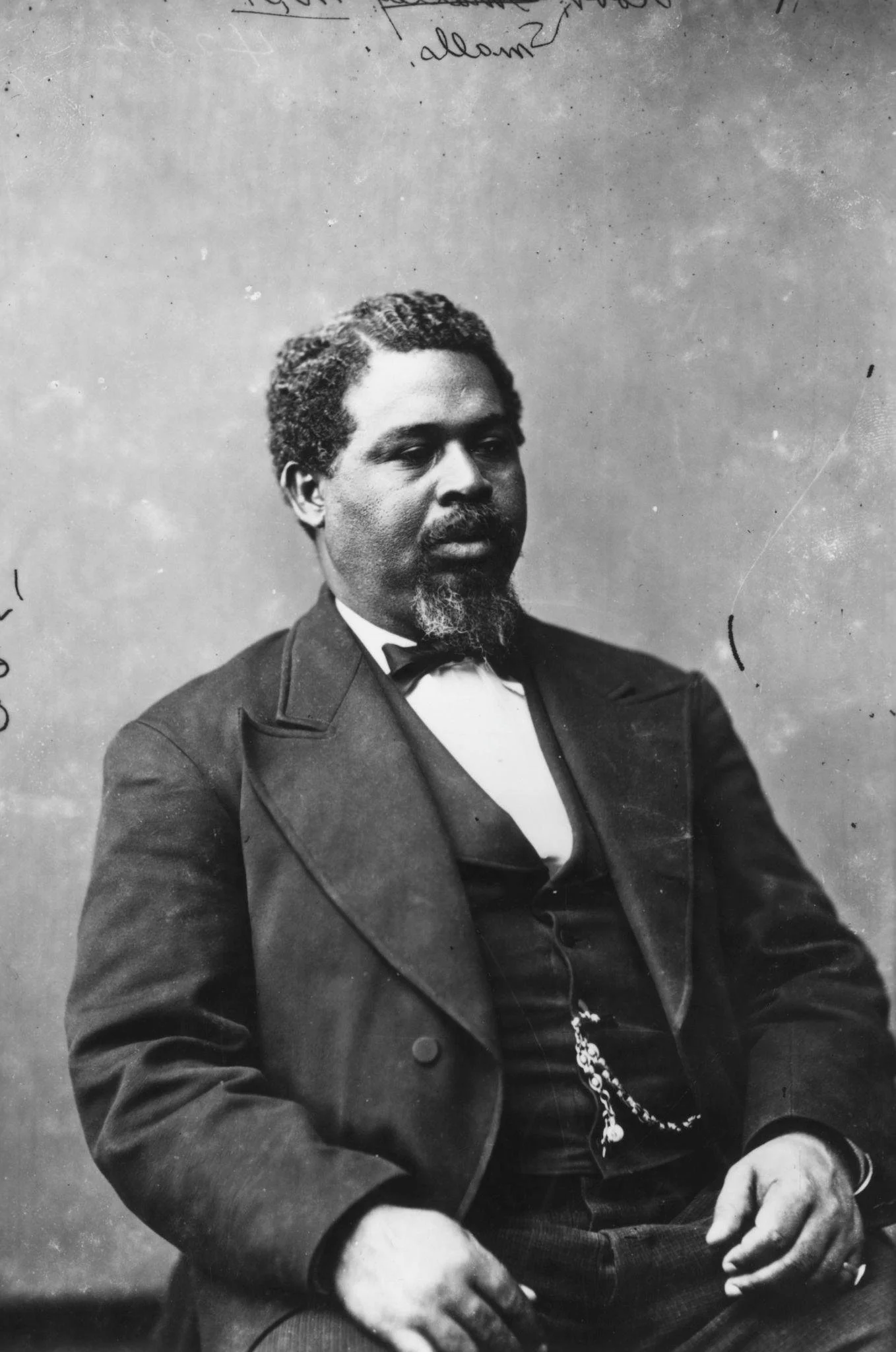
In 1862, Robert Smalls did something almost unthinkable. Born into slavery, he commandeered a Confederate ship, the Planter, and sailed it to Union forces. He secured freedom not only for himself, but for his family and others aboard.
That daring act provided critical military intelligence and changed the course of his life.
After the war, Smalls served five terms in Congress, advocating for public education and voting rights for formerly enslaved people. His life represents the full arc of resilience: from bondage to national leadership.
Yet how often is his name mentioned in standard U.S. history curricula?
Charles Richard Patterson: A Black Pioneer in the Auto Industry
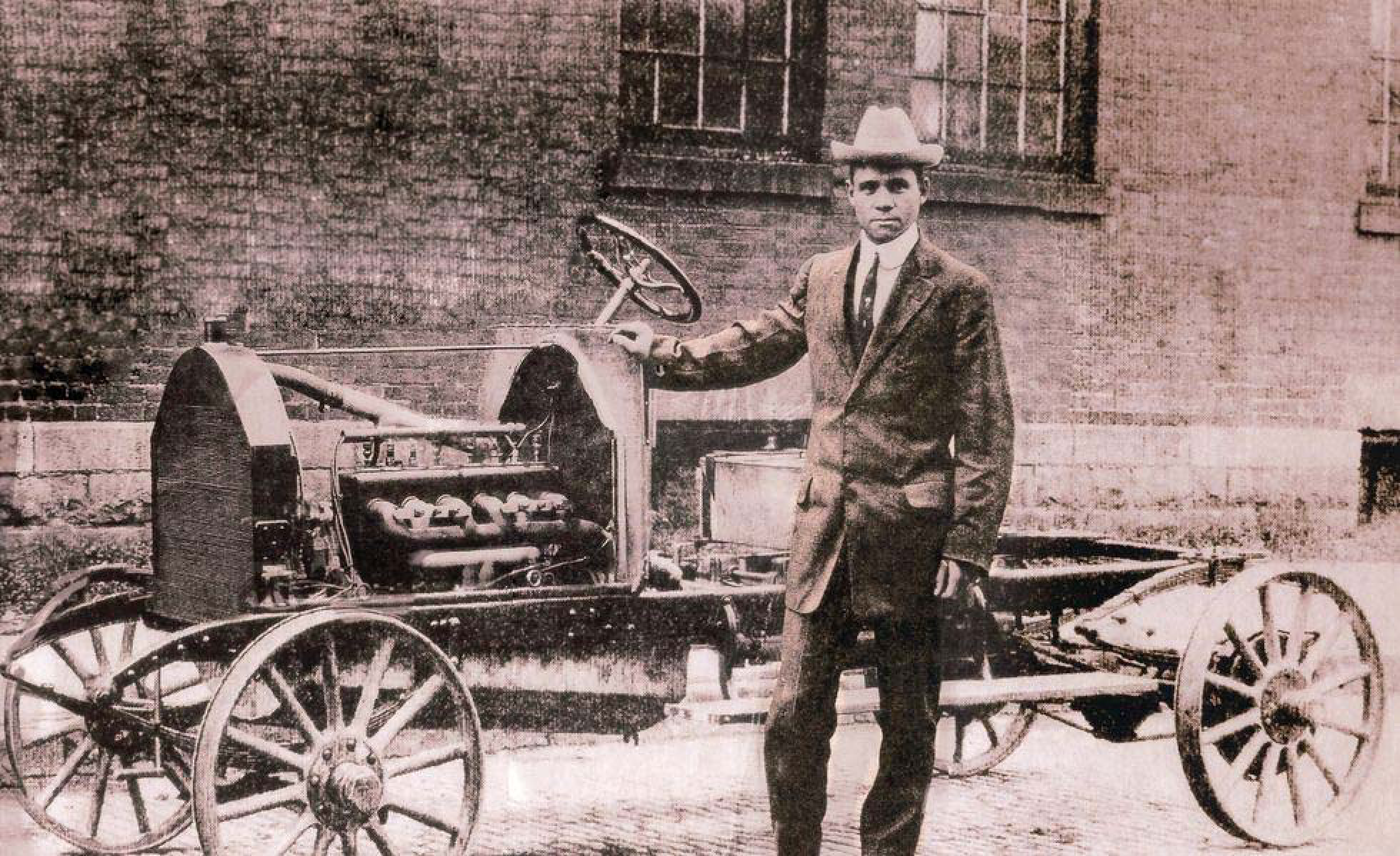
J. P. Lowe & Company; C.R. Patterson, Son & Company
Before Henry Ford became synonymous with American cars, Charles Richard Patterson was already building a successful carriage business in Ohio after escaping slavery.
His company, C.R. Patterson & Sons, later became the first and only Black-owned automobile manufacturing company in U.S. history.
The Patterson-Greenfield car challenged the idea that industrial innovation belonged to one group. It didn’t. It never did.
Trailblazers in Arts and Culture
Music has always been one of America’s greatest exports. Black musicians built much of its foundation.
Sister Rosetta Tharpe: The Godmother of Rock & Roll
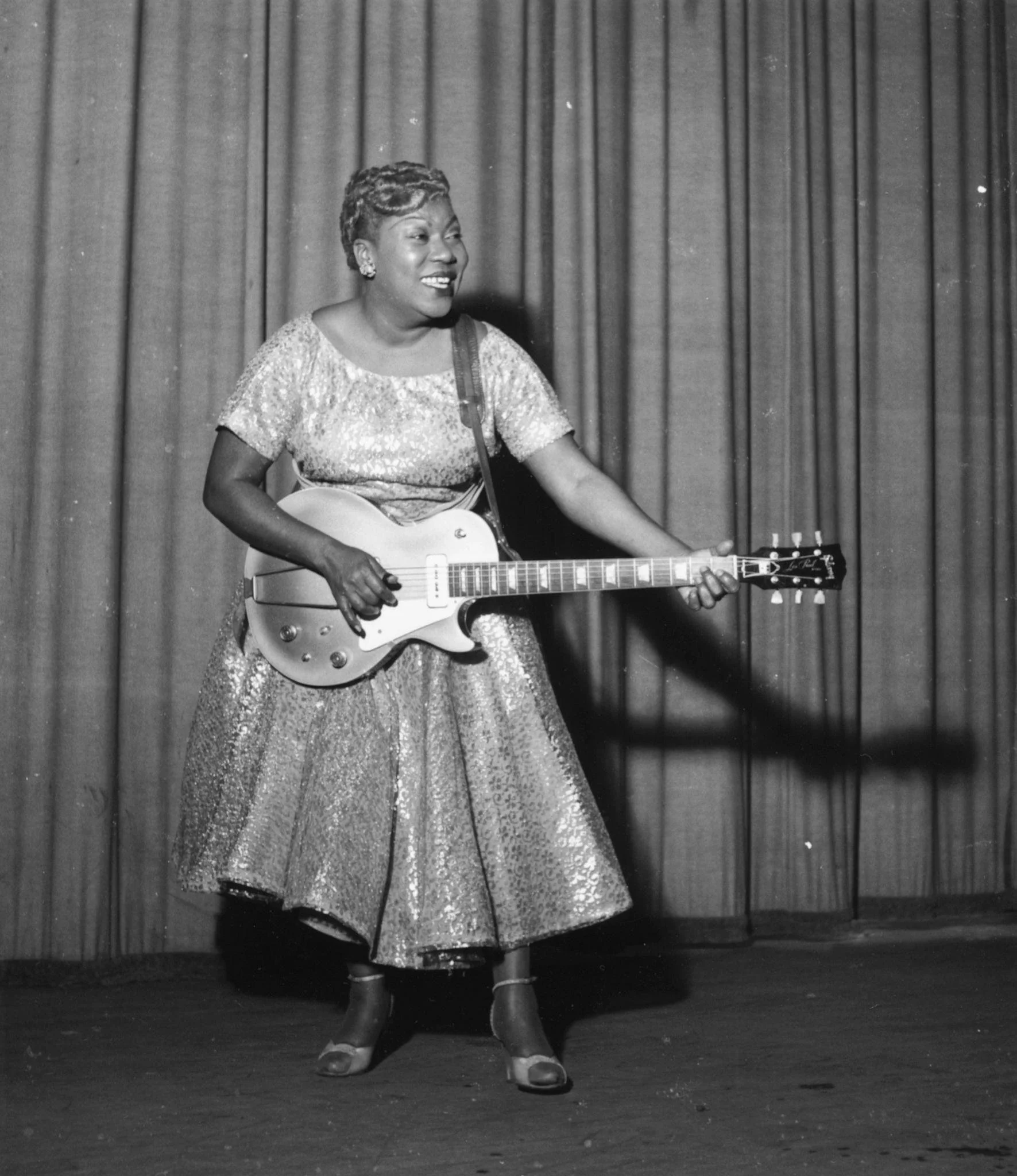
Sister Rosetta Tharpe
Long before rock and roll became mainstream, Sister Rosetta Tharpe was electrifying audiences with gospel-infused guitar riffs in the 1940s.
Her sound directly influenced artists like Elvis Presley and Johnny Cash. Yet her name rarely appears in rock history discussions.
She didn’t just participate in the birth of rock. She helped create it.
Willie Mae Thornton: The Original Voice Behind “Hound Dog”
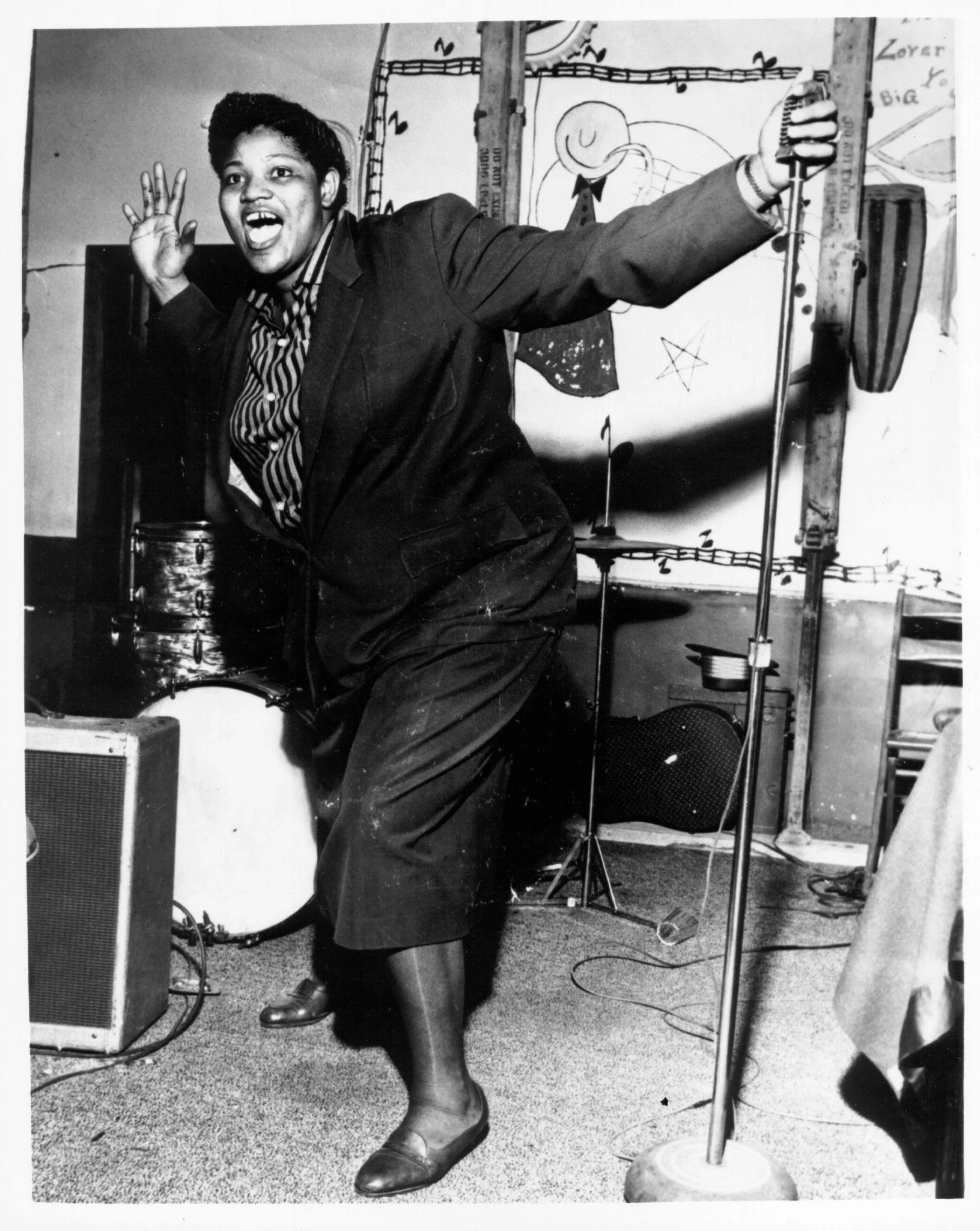
Willie Mae “Big Mama” Thornton recorded “Hound Dog” in 1952. It sold over 500,000 copies and topped R&B charts.
She was paid $500.
Elvis Presley’s later cover became a cultural phenomenon and a multi-million-dollar success.
Thornton’s story isn’t just about music. It’s about recognition, ownership, and who gets written into history.
Education and Civil Rights Pioneers
Education has always been an act of resistance in Black communities.
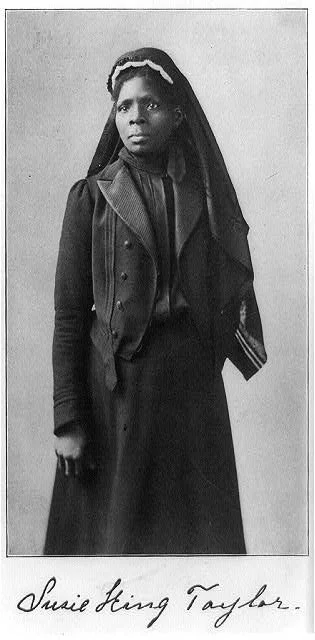
Susie King Taylor: Teaching in Secret, Serving in War
Born into slavery in 1848, Susie King Taylor learned to read and write despite laws banning Black literacy.
During the Civil War, she served as an unpaid nurse for the 33rd U.S. Colored Troops and taught soldiers to read and write. Her memoir, published in 1902, remains the only known firsthand account of a Black woman’s Civil War experience.
Her story reframes what service and patriotism looked like.
Mary McLeod Bethune: From $1.50 to a University
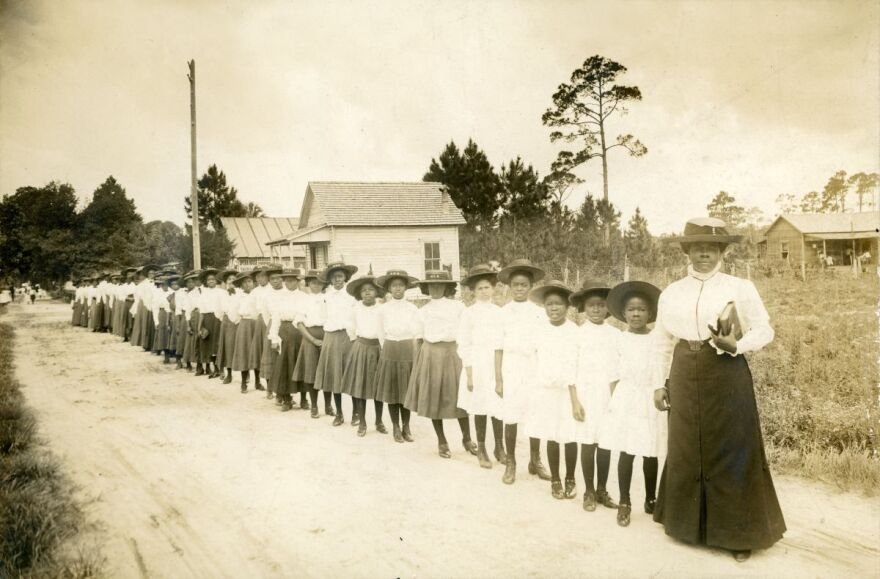
State Archives of Florida/State Archives of Florida floridamemory.com
With just $1.50, Mary McLeod Bethune founded a school for Black girls that would grow into Bethune-Cookman University.
Later, as part of Franklin D. Roosevelt’s “Black Cabinet,” she advised the president on issues affecting Black Americans.
Her life proves that education has always been both a strategy and a revolution.
Innovators in Business and Science
Black innovation didn’t stop at politics or music. It built industries.
Augustus Jackson: The Father of Modern Ice Cream

Augustus Jackson
A former White House chef, Augustus Jackson, developed new techniques for manufacturing and packaging ice cream in the 1800s.
He sold his product to Black-owned ice cream parlors in Philadelphia, creating economic networks long before the term “Black entrepreneurship” became popular.
His innovations helped shape the ice cream industry as we know it.
Judy W. Reed: Breaking Barriers in Innovation
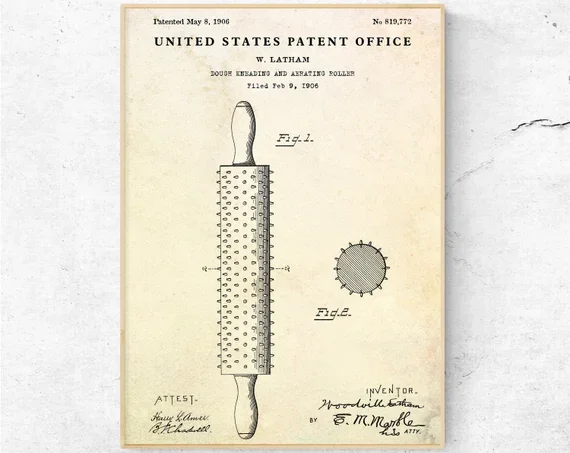
Rolling Pin 1906 Patent Drawing Print. Dough Rolling Inventions
In 1884, Judy W. Reed became one of the first African American women to receive a U.S. patent for her “Dough Kneader and Roller.”
She was believed to be illiterate, signing her patent with an “X.”
Her achievement is a reminder that genius does not require formal permission to exist.
Why These Untold Black History Stories Matter
These stories are not footnotes.
They challenge the narrative that innovation, leadership, and cultural influence came from only one place. They show that Black history is not separate from American history. It is central to it.
Many of these figures are rarely included in mainstream textbooks or Black History Month lessons. That omission shapes how generations understand this country.
At Tellers Untold, we believe telling these stories isn’t nostalgia. It’s correct.
The more complete our history becomes, the more complete our understanding of America becomes.
And there are still countless stories left to tell.
