 Image 1 of 2
 Image 2 of 2
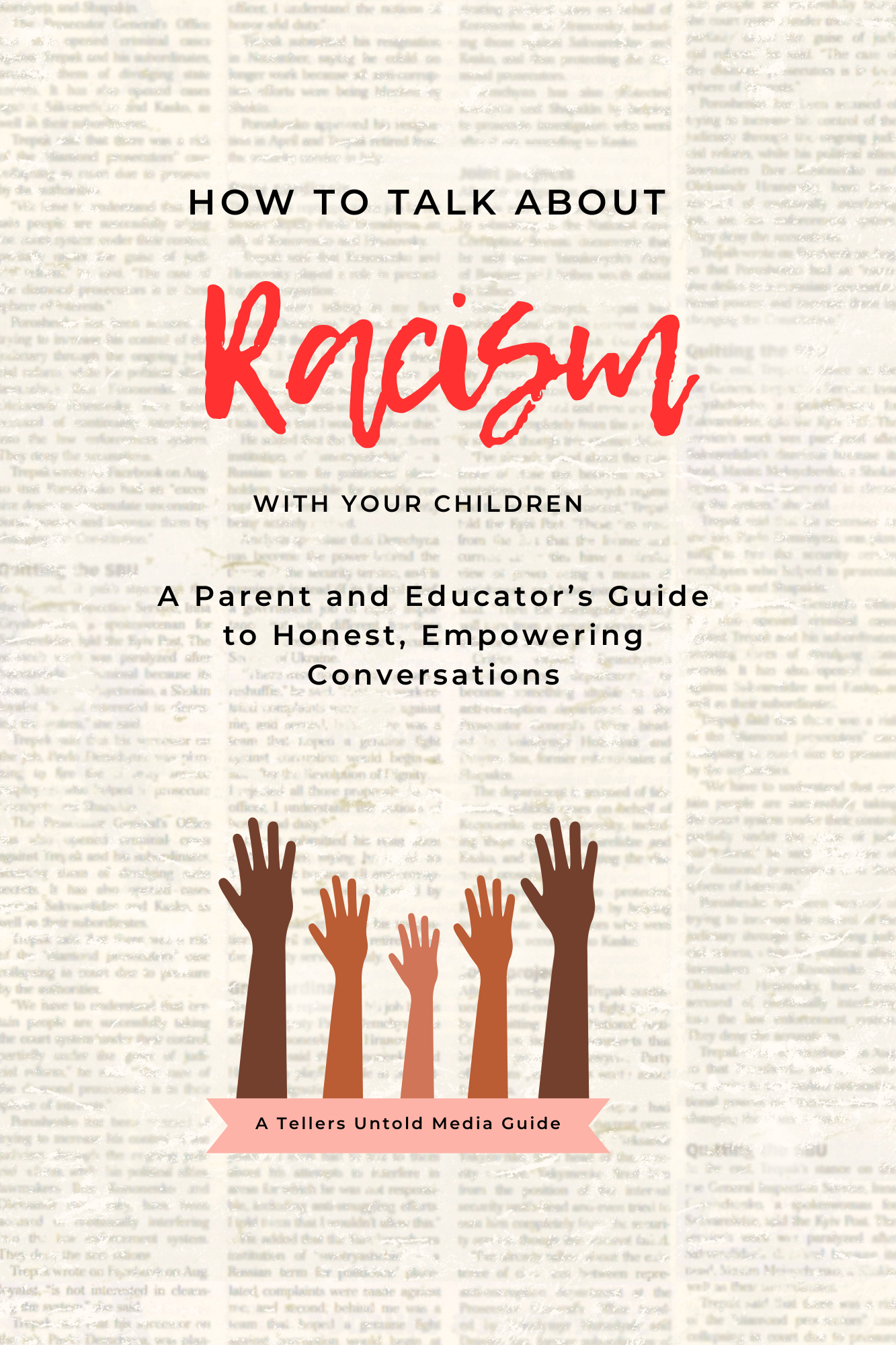
How to Talk About Racism to Your Children is a practical, compassionate guide for parents, caregivers, and educators who want to have honest, age-appropriate conversations about race, fairness, and identity without fear, shame, or silence.
Written by an educator, documentary filmmaker, and mother of two, this guide blends real family stories, research-based insights, and lived experience from the award-winning Sankofa Chicago docuseries. It offers clear guidance for talking to kids from preschool through adolescence and helps adults create brave, safe spaces for meaningful dialogue at home, in classrooms, and in communities.
Inside, you’ll find:
Age-specific strategies for discussing race and racism
Real-life scenarios and suggested language for tough moments
Insights from families across generations and cultures
Tools for recognizing racial bias in media and everyday life
Suggested books, films, and resources to deepen learning
This is not a clinical manual or a one-time conversation. It’s a guide meant to be returned to again and again as children grow, questions evolve, and understanding deepens.
Whether you’re just beginning these conversations or looking to strengthen them, this guide offers clarity, compassion, and the confidence to start and keep talking.
How to Talk About Racism to Your Children is a practical, compassionate guide for parents, caregivers, and educators who want to have honest, age-appropriate conversations about race, fairness, and identity without fear, shame, or silence.
Written by an educator, documentary filmmaker, and mother of two, this guide blends real family stories, research-based insights, and lived experience from the award-winning Sankofa Chicago docuseries. It offers clear guidance for talking to kids from preschool through adolescence and helps adults create brave, safe spaces for meaningful dialogue at home, in classrooms, and in communities.
Inside, you’ll find:
Age-specific strategies for discussing race and racism
Real-life scenarios and suggested language for tough moments
Insights from families across generations and cultures
Tools for recognizing racial bias in media and everyday life
Suggested books, films, and resources to deepen learning
This is not a clinical manual or a one-time conversation. It’s a guide meant to be returned to again and again as children grow, questions evolve, and understanding deepens.
Whether you’re just beginning these conversations or looking to strengthen them, this guide offers clarity, compassion, and the confidence to start and keep talking.