Muhammad Ali: 25 Facts You Should Know About “The Greatest”
Watch YOUR KID PROFESSOR facts about Ali.
Muhammad Ali was more than a boxer. He was a cultural force. A poet, activist, entertainer, and global icon who reshaped sports, politics, and Black identity in the 20th century.
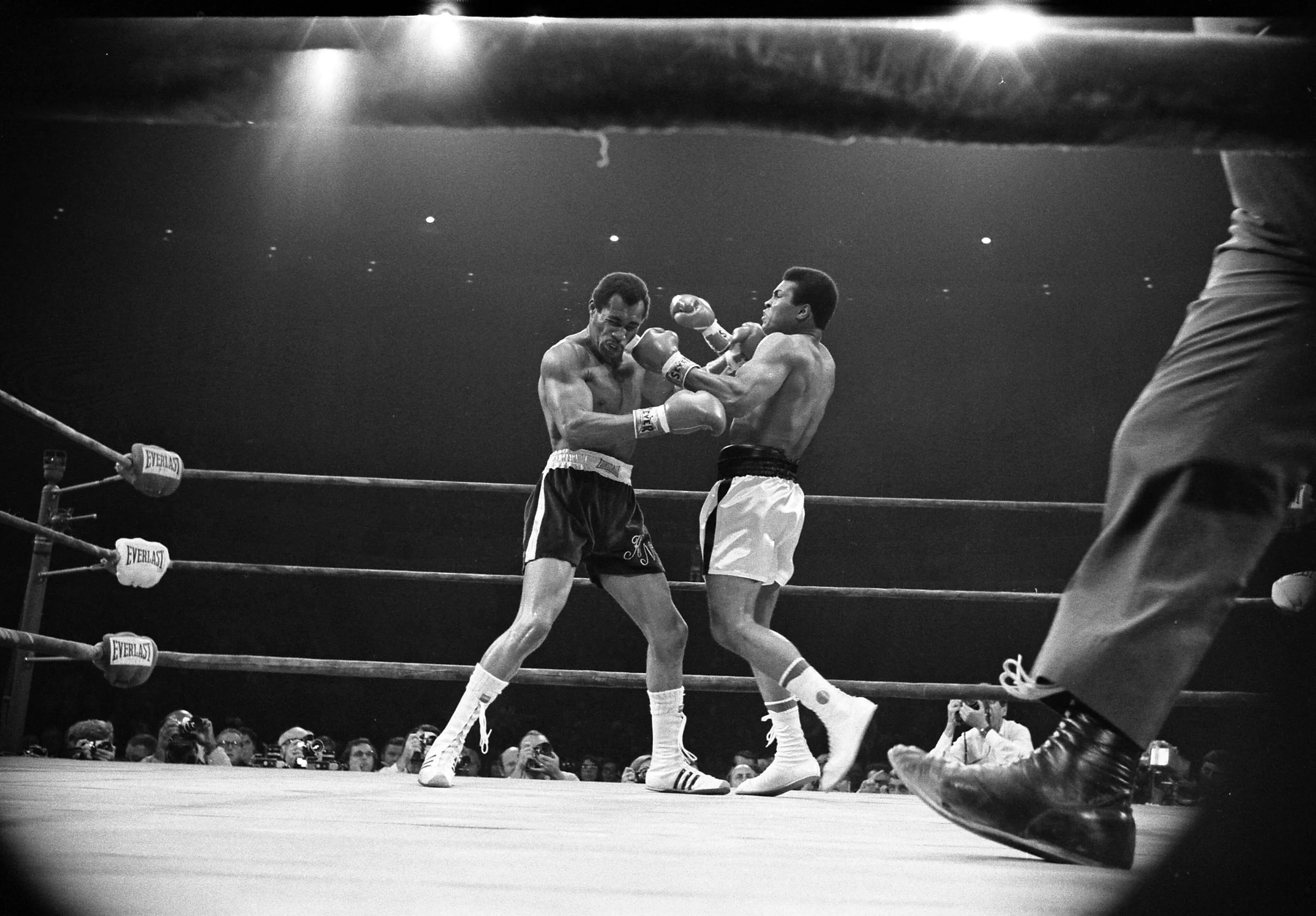
Muhammad Ali vs Ken Norton, 1973-09-10
Here are 25 essential facts that tell the fuller story of Muhammad Ali.
Early Life
1. He was born Cassius Marcellus Clay Jr.
Ali was born January 17, 1942, in Louisville, Kentucky, named after a white abolitionist who opposed slavery.
2. His parents worked working-class jobs
His father painted billboards. His mother worked as a domestic worker. They raised two sons.
3. Boxing began with a stolen bike
At age 12, Ali’s bicycle was stolen. When he reported it, police officer Joe E. Martin, also a boxing trainer, suggested he learn to fight.
4. He never got the bike back
But six weeks later, he won his first amateur fight.
5. Ali struggled with dyslexia
He attended Central High School in Louisville and struggled with reading and writing throughout his life.
6. He faced racism early
As a teen, he was once denied service at a store because of his race, an experience that deeply shaped him.
Rise in Boxing
7. He dominated amateur boxing
By age 18, Ali had over 100 amateur wins, two Golden Gloves titles, and two AAU championships.
8. He won Olympic gold
At the 1960 Rome Olympics, Ali won gold in the light heavyweight division.
9. The gold medal legend
Ali later said he threw his medal into the Ohio River after experiencing racism back home. Whether literal or symbolic, the story captured America’s hypocrisy.
Faith, Identity, and Change
10. Ali embraced Islam
He converted to Islam in the early 1960s and joined the Nation of Islam.
11. He rejected his “slave name.”
In 1964, he publicly changed his name to Muhammad Ali, chosen by Elijah Muhammad.
12. His relationship with Malcolm X was complex
Ali was close to Malcolm X early on, but later distanced himself. He deeply regretted their separation after Malcolm’s assassination.
The Greatest Boxer
13. He defeated Sonny Liston
In 1964, Ali shocked the world by defeating Sonny Liston, becoming the youngest heavyweight champion at the time.
14. He mastered trash talk
Ali’s rhymes and taunts weren’t just showmanship. They were psychological warfare.
15. “The Louisville Lip.”
His constant talking earned him the nickname long before “trash talk” became a marketing strategy.
16. Ali became a global superstar
The Liston victory made him one of the most famous athletes on Earth.
Resistance and Consequences
17. Ali refused the Vietnam draft
In 1967, Ali refused induction into the U.S. military, citing religious and moral objections.
18. He paid a heavy price
His boxing license was revoked, titles stripped, and he faced a five-year prison sentence.
19. The Supreme Court overturned his conviction
In 1971, the Court ruled unanimously in Ali’s favor. He lost nearly three prime years of his career.
Later Career and Life
20. He returned to the ring
Ali returned in 1970 and later fought legendary bouts against Joe Frazier and George Foreman.
21. He promoted his own fights
Ali helped pioneer fighter-controlled promotions and pay-per-view boxing.
22. He was also a performer
Ali released a spoken-word album, “I Am the Greatest,” blending poetry, humor, and bravado.
23. He appeared on Broadway
During his boxing suspension, Ali performed in the musical Buck White.
24. He married four times
Ali had nine children and remained close to his family throughout his life.
25. His legacy extends beyond boxing
Ali retired in 1981, was diagnosed with Parkinson’s disease in 1984, and died on June 3, 2016. His courage, convictions, and charisma changed the world.
Why Muhammad Ali Still Matters
Muhammad Ali proved that athletes don’t have to be silent. He showed that greatness includes conscience, courage, and self-definition.
He wasn’t just The Greatest in the ring. He was one of the greatest voices of his time.
