The Pearl Escape of 1848: Seventy-Seven People Who Tried to Sail to Freedom in the Shadow of the U.S. Capitol
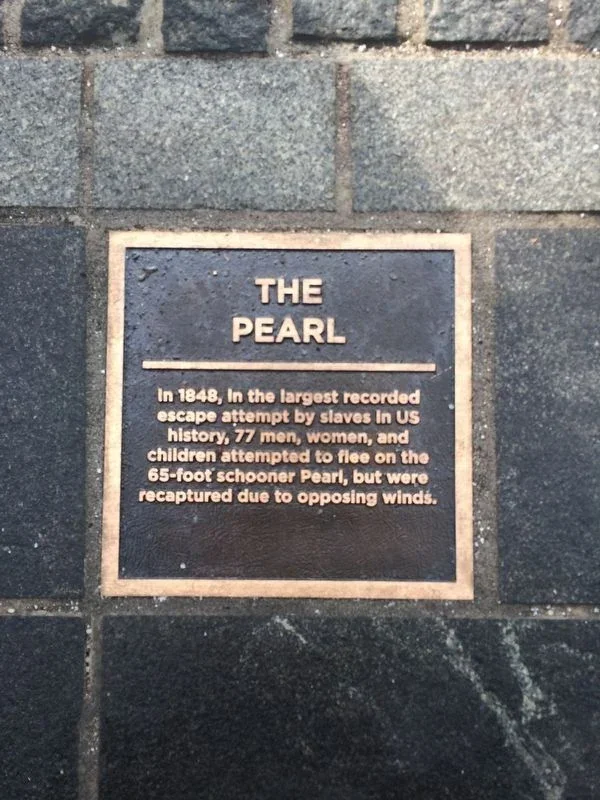
The Pearl history marker in Washington, D.C
There’s a night in American history that rarely gets the attention it deserves.
It’s April 15, 1848. Seventy-seven enslaved men, women, and children move quietly through the dark streets of Washington, D.C. They are not wandering. They are not confused. They are executing a plan.
Their destination is a small schooner called The Pearl.
And this is happening in the shadow of the U.S. Capitol, while lawmakers inside debate the meaning of “freedom.”
Let that sit for a second.
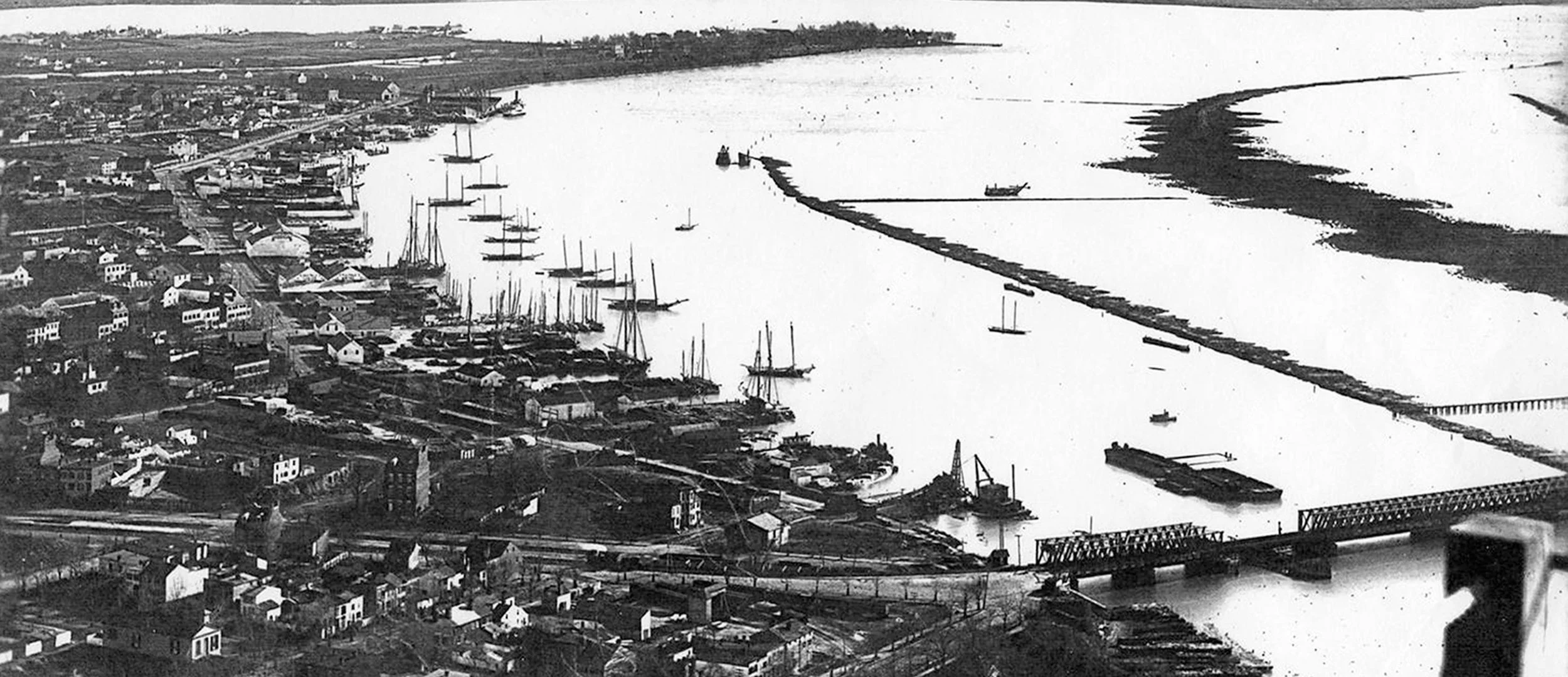
The Wharf
Black Resistance in the Nation’s Capital
Washington, D.C., in 1848, was not just the political heart of the country. It was a slaveholding city. Enslaved people worked in homes, businesses, and government buildings blocks from the Capitol.
But they were not passive.
Enslaved and free Black residents shared information. They studied river routes. They built networks. They planned.
One key figure was Paul Jennings, an enslaved man who had once served as President James Madison and later worked for Senator Daniel Webster. Jennings and others approached ship captain Daniel Drayton about organizing a mass escape by water.
This was not random. It was coordinated resistance involving families, community networks, and abolitionist allies.
Seventy-seven people trusted that plan with their lives.
What Was The Pearl?
The Pearl was a small, two-masted schooner — a working sailing vessel typically used for transporting goods along rivers and coastal waters. It was not a massive ship. It had no engine—just sails and wind.
That makes what happened next even more extraordinary.
Illustration of a 19th-century schooner similar to The Pearl, which carried 77 enslaved people attempting to escape in 1848.
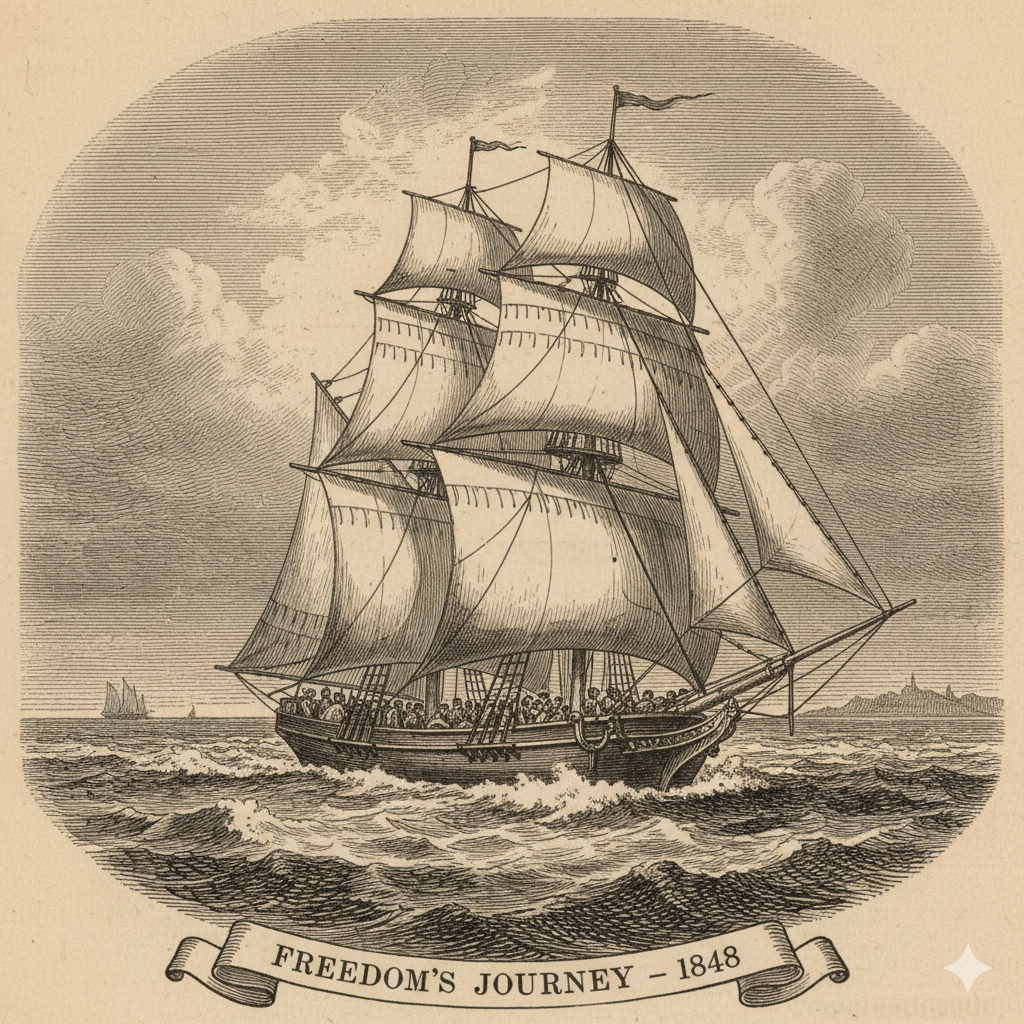
19th-century schooner similar to The Pearl, which carried 77 enslaved people attempting to escape in 1848.
The Escape on The Pearl
Around 10 p.m. on April 15, 1848, the seventy-seven escapees boarded The Pearl at the Washington waterfront.
The plan was ambitious but clear:
Sail down the Potomac River
Enter the Chesapeake Bay
Travel north through the Delaware River
Reach the free state of New Jersey
About 225 miles to freedom.
There were men. Women. Children. Entire families.
They weren’t being smuggled as cargo. They boarded as passengers in a carefully coordinated escape. They slipped away from homes and workplaces in small groups, walked through a city they knew well, and reached the wharf under cover of darkness.
The schooner departed into the night.
For a few hours, the plan was working.
Then the wind turned.
Strong headwinds slowed the vessel dramatically. By morning, The Pearl had not traveled far enough. The schooner was forced to anchor near the mouth of the Potomac River and the Chesapeake Bay.
Freedom was within reach, but not far enough away.
Capture and Retaliation
By sunrise, enslavers in Washington, Maryland, and Virginia realized dozens of people were missing.
An armed posse of about 41 enslavers boarded a steamer called the Salem and pursued the schooner. They overtook the anchored vessel and captured everyone on board.
The escapees were dragged back to Washington.
Violent white mobs gathered. Abolitionist offices were attacked. Public anger exploded.
Most of the recaptured men, women, and children were sold to traders in the Deep South as punishment. Families were deliberately separated.
The message was clear: resistance would be crushed.
And yet the story didn’t end there.
Political Fallout and the Compromise of 1850
The Pearl Incident shocked the nation. Newspapers covered it extensively. Abolitionists amplified the hypocrisy: how could a capital that preached liberty operate one of the most visible slave markets in the country?
The event intensified debates over slavery in Washington, D.C.
Two years later, the Compromise of 1850 ended the slave trade in the nation’s capital.
Slavery itself continued. But the public buying and selling of enslaved people in Washington, D.C. was abolished.
Escapes like the Pearl attempt helped force that reckoning.
Even when resistance did not immediately succeed, it shaped public opinion and policy.
Enslaved people were not simply acted upon by history. They acted.
Why the Pearl Still Matters
Today, visitors to The Wharf in Washington, D.C. can find markers honoring the Pearl escape. The city commemorates Emancipation Day every April 16, recognizing the abolition of slavery in the District in 1862.
Local history tours now include the story of the Pearl.
But this isn’t just a story about 1848.
It’s about:
Family separation as punishment
State power used to control Black bodies
Organized community resistance
From slavery to mass incarceration to modern movements challenging state violence, there is a throughline. Black resistance did not begin with social media. It began long before.
Seventy-seven people once tried to sail toward freedom from the capital of the United States.
That matters.
Visit, Teach, and Share This Story
If you are in Washington, D.C., visit the Pearl marker at The Wharf. Read first-person accounts, including the writings of Paul Jennings. Bring this history into classrooms and community spaces.
Because history shifts when we tell the full story.
In Part 2, we’ll look at another hidden history: the so-called “fancy girls,” and how sexual violence and colorism were deeply embedded in the slave system.
Freedom was debated in marble halls.
Meanwhile, seventy-seven people tried to sail toward it in the dark.
