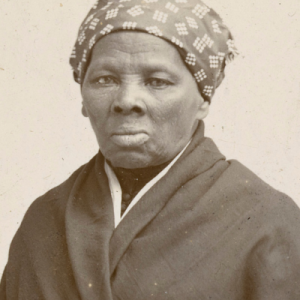
Harriet Tubman: 15 Facts You Probably Didn’t Know
Harriet Tubman is widely known for leading enslaved people to freedom, but her life extended far beyond the Underground Railroad. From serving as a Union spy to advocating for women’s suffrage, these lesser-known facts reveal the full scope of her legacy.
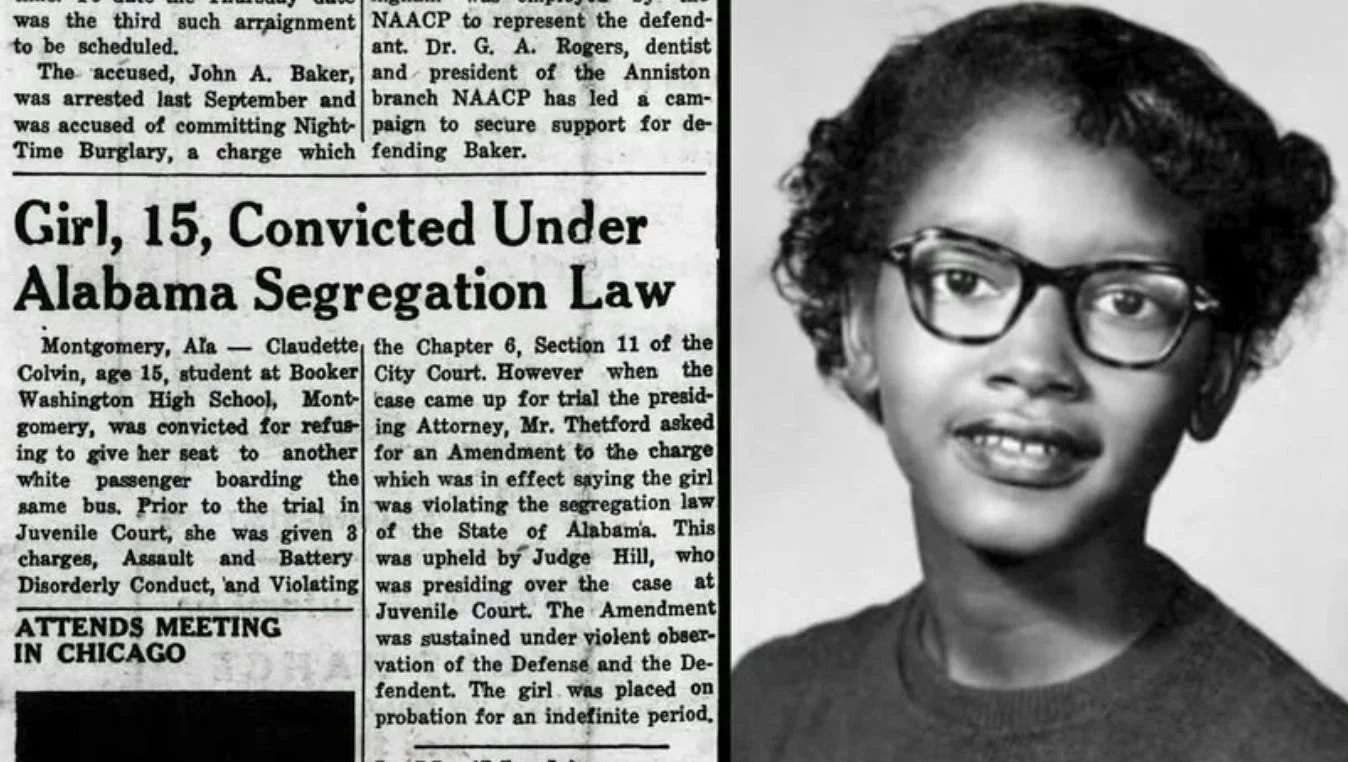
Claudette Colvin: The Teen Who Refused to Give Up Her Seat Before Rosa Parks
Nine months before Rosa Parks, 15-year-old Claudette Colvin refused to give up her seat on a segregated bus in Montgomery, Alabama. Her arrest helped lay the groundwork for the Civil Rights Movement, even if her story was later overshadowed.
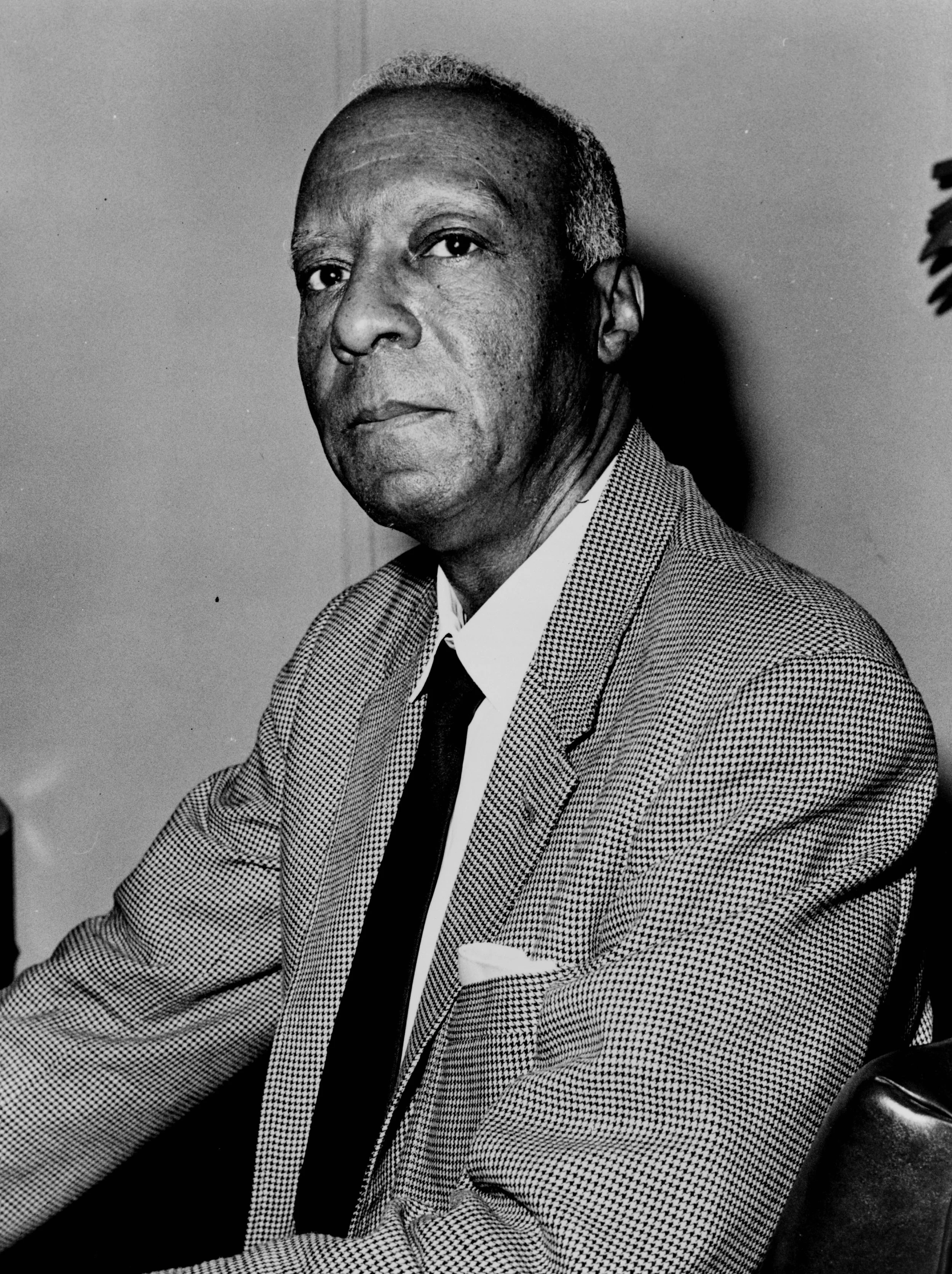
A. Philip Randolph: Pioneering Civil Rights and Labor Leader
A. Philip Randolph was a groundbreaking labor organizer and civil rights leader who fought for economic justice and helped push the federal government toward desegregation. His leadership laid the foundation for the 1963 March on Washington and expanded the fight for equality beyond voting rights to workplace rights.
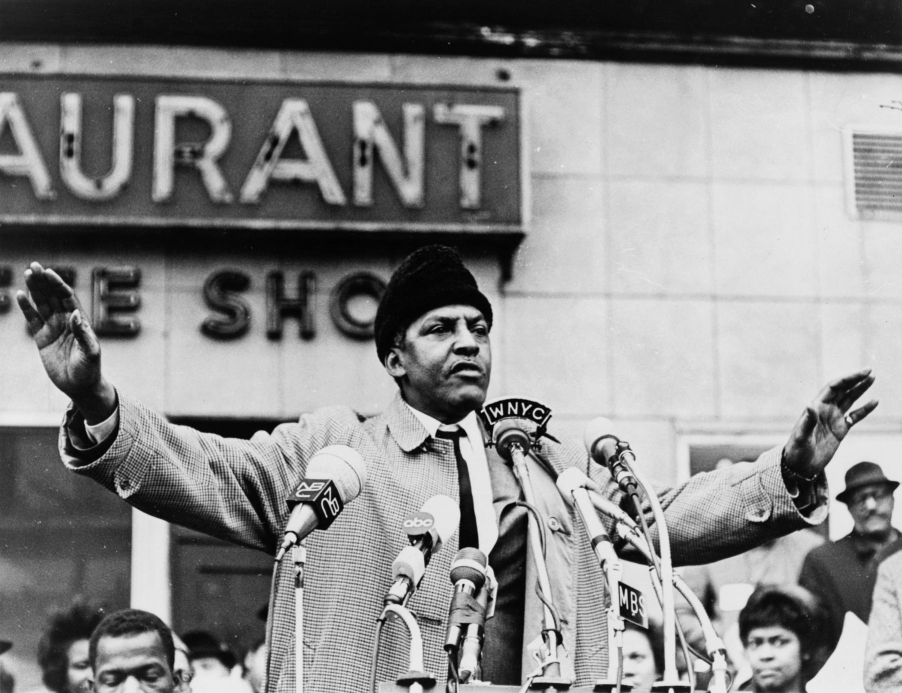
Bayard Rustin: The Unsung Hero of the Civil Rights Movement and LGBTQ+ Trailblazer
Bayard Rustin was the strategic mind behind the 1963 March on Washington and a key advisor to Dr. Martin Luther King Jr. As an openly gay Black man in the Civil Rights era, he faced discrimination both inside and outside the movement. His leadership, organizing brilliance, and commitment to nonviolence helped shape American history—yet his story is still often overlooked.
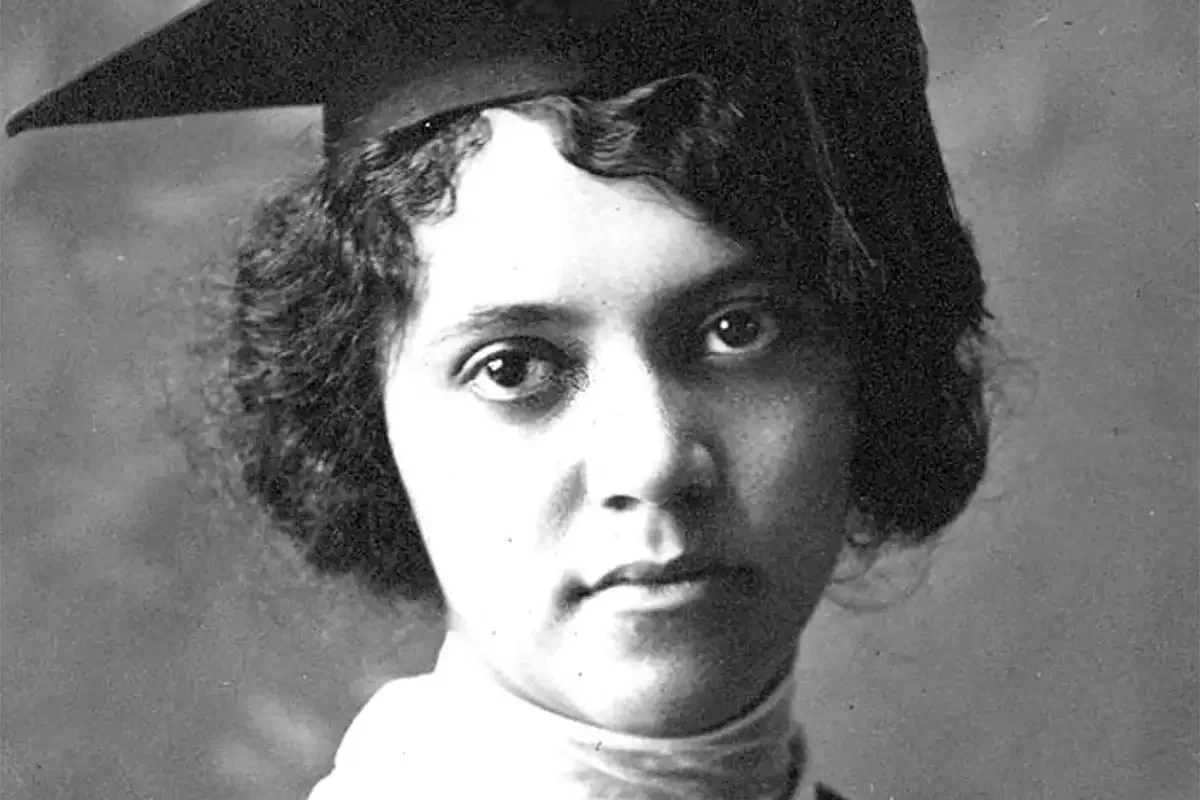
Alice Ball: The Unsung Hero Who Changed Medicine
Alice Ball developed the first effective treatment for leprosy in the early 20th century, transforming medical care for patients worldwide. For years, her breakthrough was credited to others before her legacy was restored.
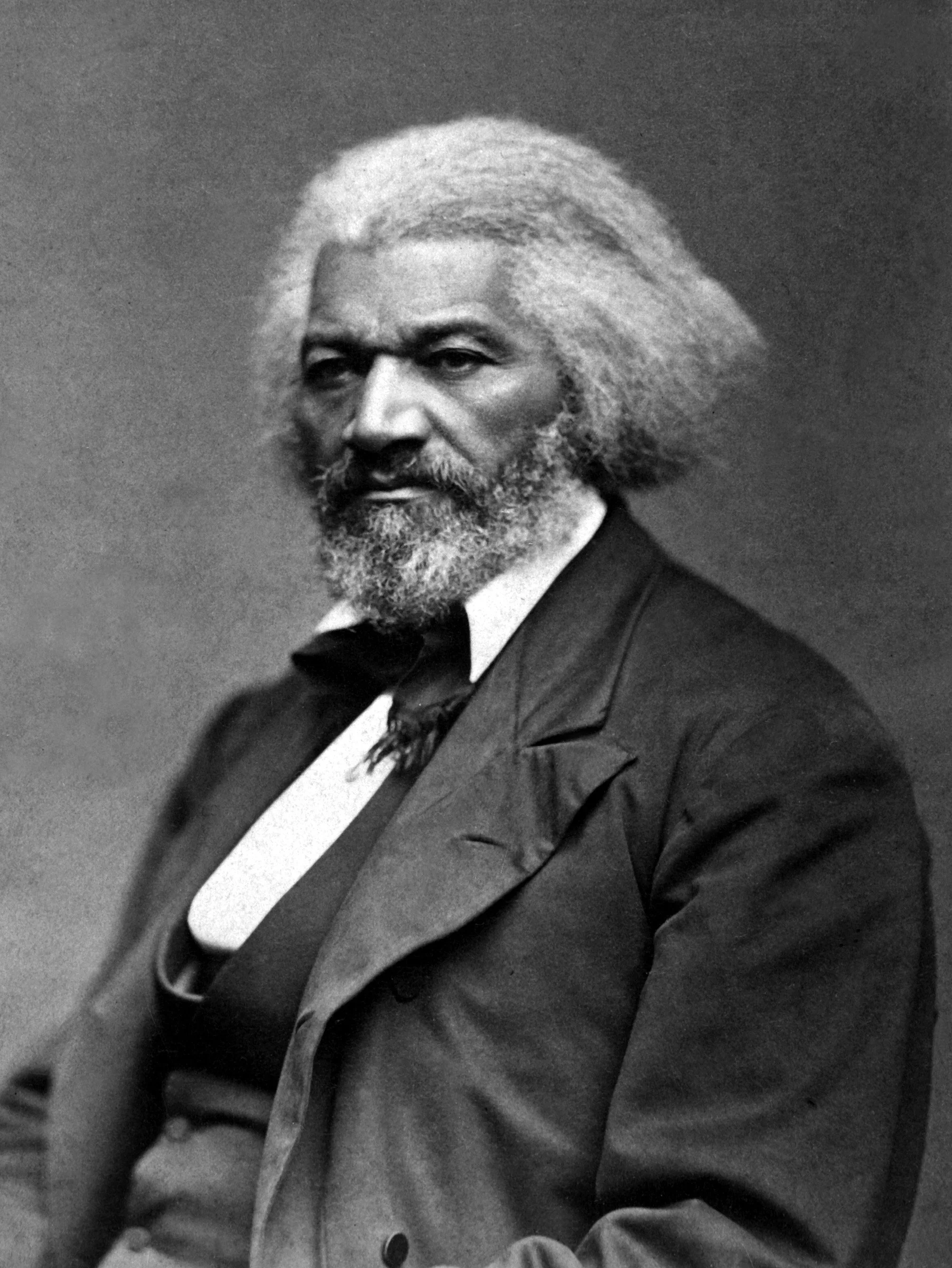
Frederick Douglass: The Abolitionist Who Used Words as Power
In May 1921, a white mob attacked Tulsa’s Greenwood District—known as Black Wall Street—killing hundreds and burning a thriving Black community to the ground. The massacre remains one of the most devastating acts of racial violence in American history.
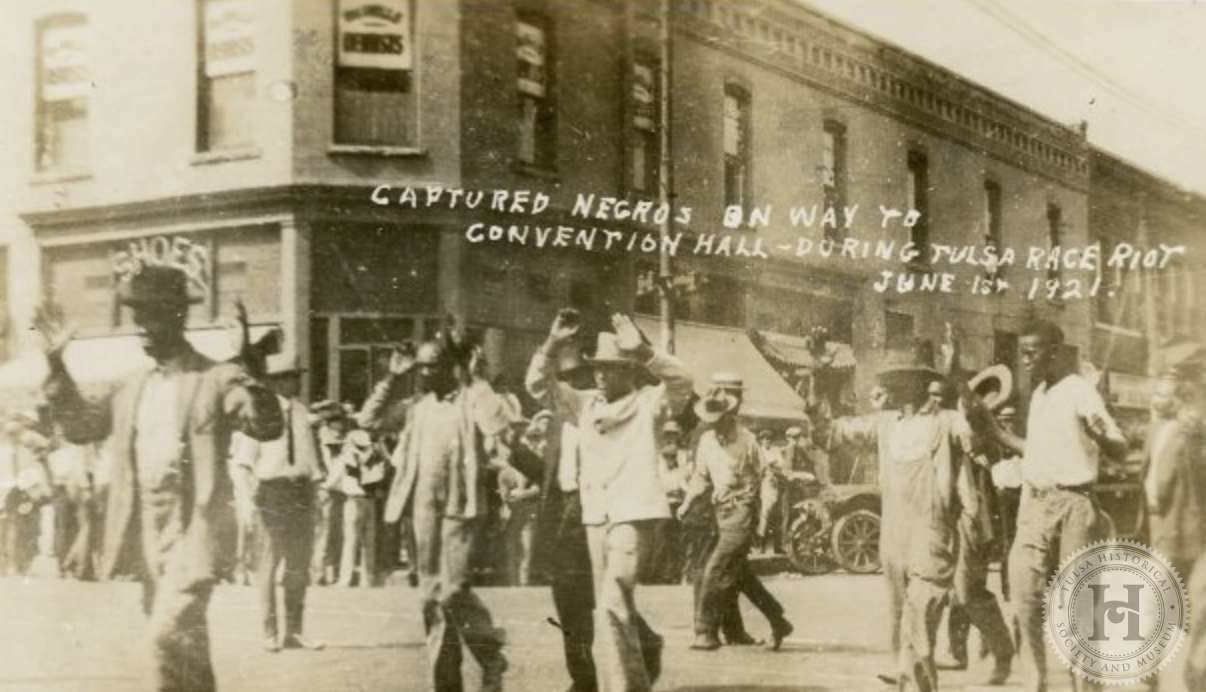
The Tulsa Race Massacre: The Destruction of Black Wall Street
In May 1921, a white mob attacked Tulsa’s Greenwood District—known as Black Wall Street—killing hundreds and burning a thriving Black community to the ground. The massacre remains one of the most devastating acts of racial violence in American history.
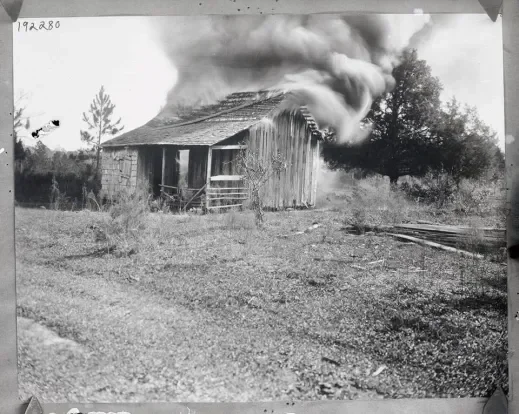
The Ocoee Massacre (1920): The Deadliest Election Day Violence in U.S. History
On Election Day 1920 in Ocoee, Florida, a white mob attacked Black citizens trying to cast ballots. The massacre killed dozens, burned homes, and forced an entire African American population to flee—making it the deadliest act of voting-day violence in U.S. history.
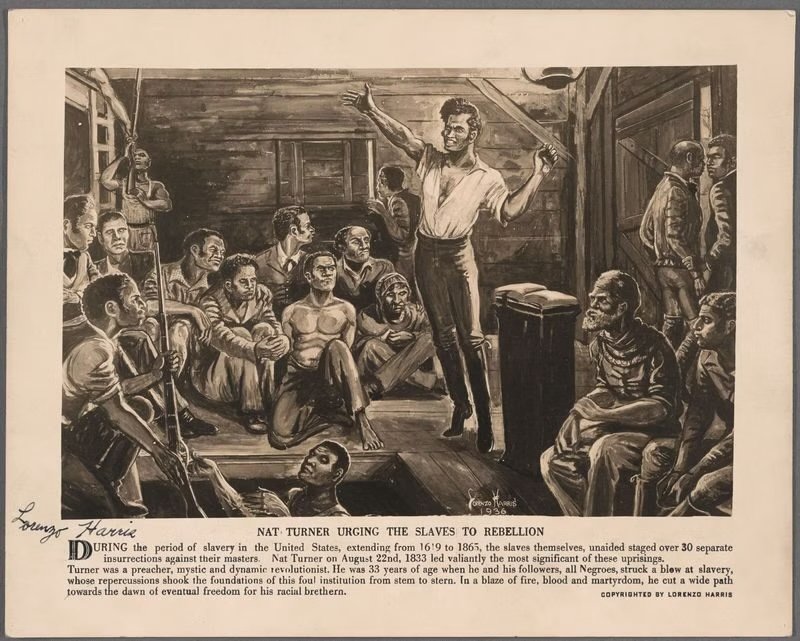
Nat Turner's 1831 Southampton Rebellion: A Deep Dive
In August 1831, Nat Turner led one of the most significant slave rebellions in American history. The uprising in Southampton County, Virginia, challenged the system of slavery and triggered sweeping consequences across the South.
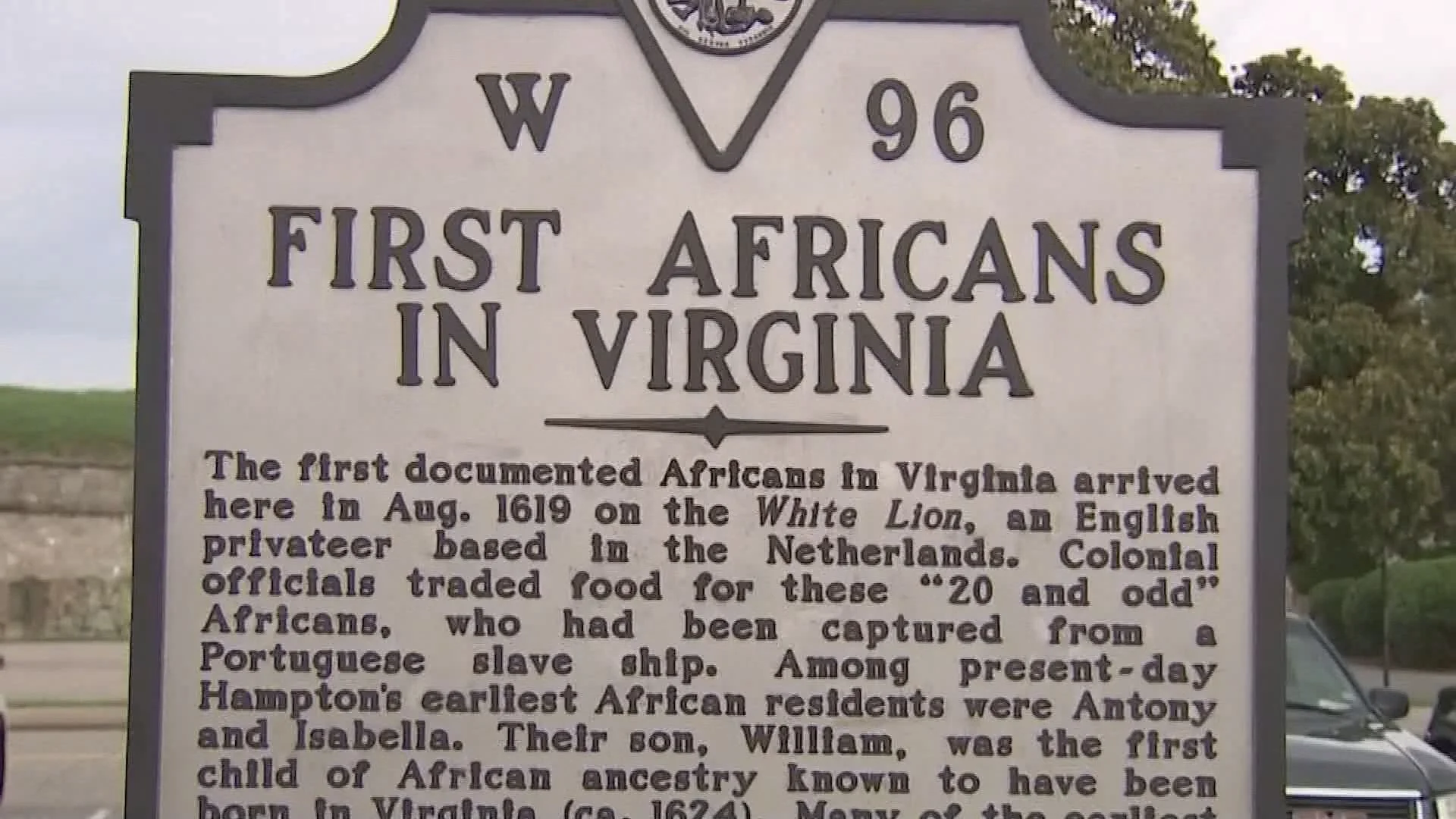
Top 10 Events in Black American History
From 1619 to the present, these 10 defining moments shaped the course of Black American history and continue to influence the nation today.
Uncovering the Complex Legacy of the Massachusetts Body of Liberties and Black History
Adopted in 1641, the Massachusetts Body of Liberties is often described as one of America’s first legal codes protecting individual rights. Yet within that same document were provisions that permitted slavery—highlighting early contradictions in the nation’s understanding of freedom.
The Bud Billiken Parade and Picnic: Largest African American Parade in America
The Bud Billiken Parade and Picnic in Chicago is the largest African American parade in the United States, celebrating education, culture, and community since 1929.
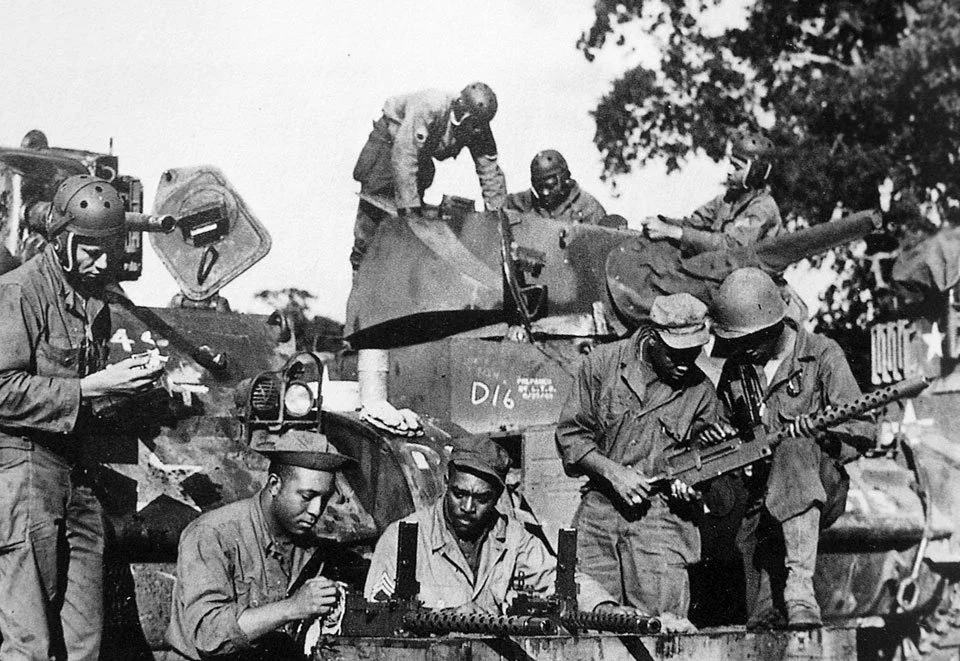
The 761st Tank Battalion: Black Heroes Who Liberated Gunskirchen (And Got Erased)
The 761st Tank Battalion, known as the “Black Panthers,” fought in World War II and helped liberate Gunskirchen concentration camp—yet their role was long overlooked.
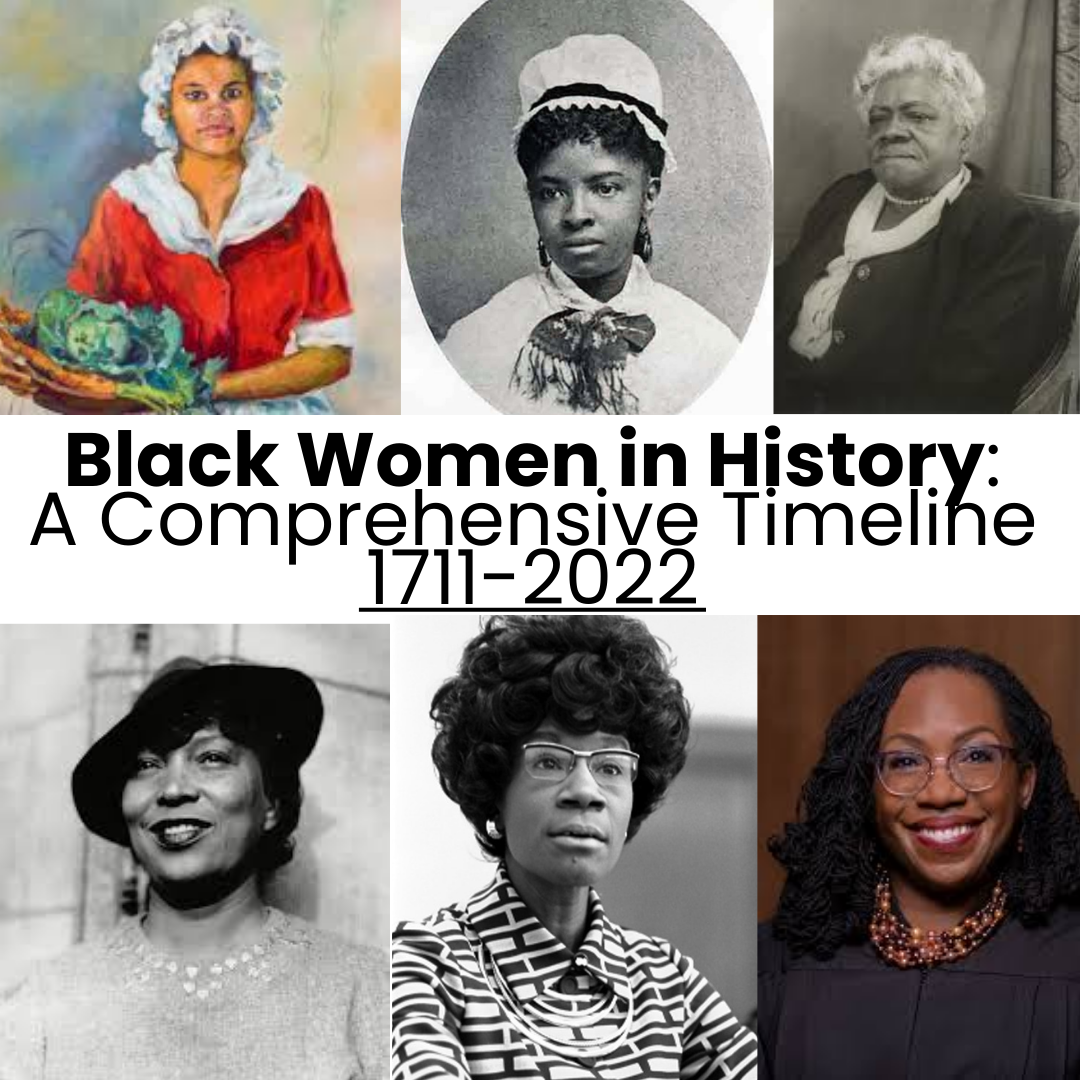
Black Women in History: A Comprehensive Timeline 1711-2022
From 1711 to 2022, Black women have shaped American history through resistance, leadership, creativity, and courage. This timeline highlights key moments that reveal the depth of their influence across centuries.
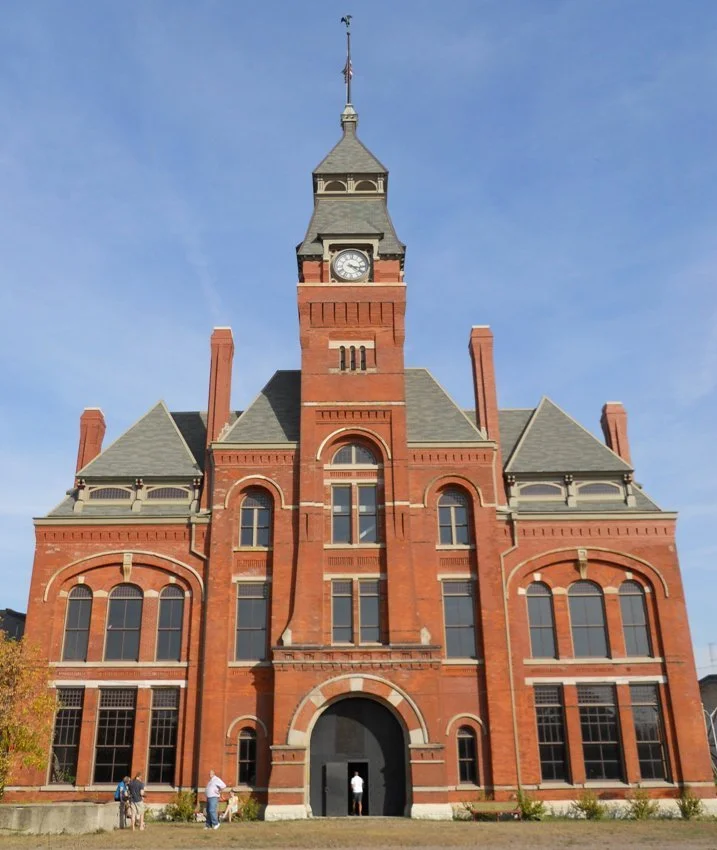
A First-Time Visit to a Historic Treasure
A first-time visit to Pullman National Monument reveals the layered history of labor, race, and community on Chicago’s South Side.
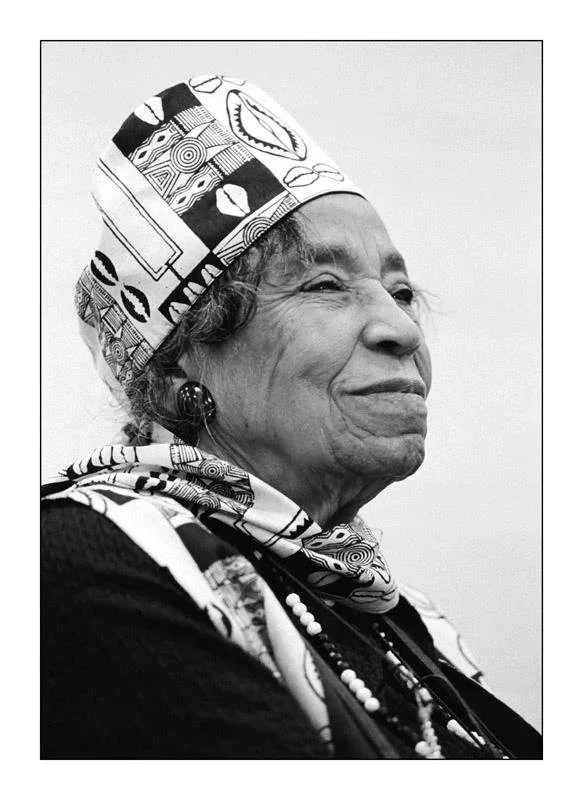
Amelia Boynton Robinson: Trailblazing Black Woman Behind Selma and the Voting Rights Act
Amelia Boynton Robinson organized in Selma, survived Bloody Sunday, and helped secure the Voting Rights Act of 1965.
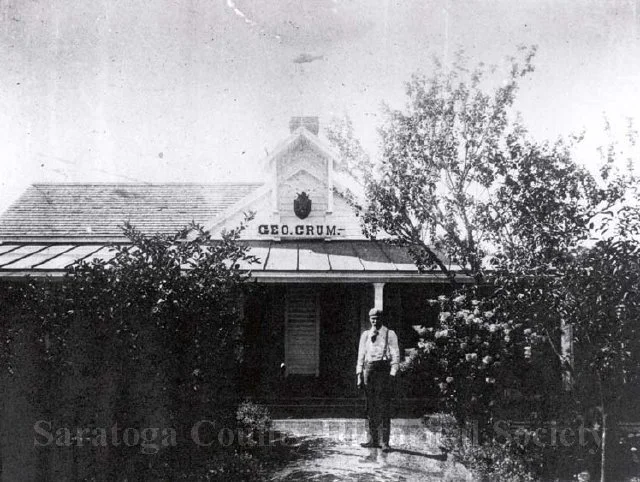
12 Facts about George Crum
George Crum, a Black and Native American chef, popularized the potato chip in the 1850s. But was he truly the inventor?
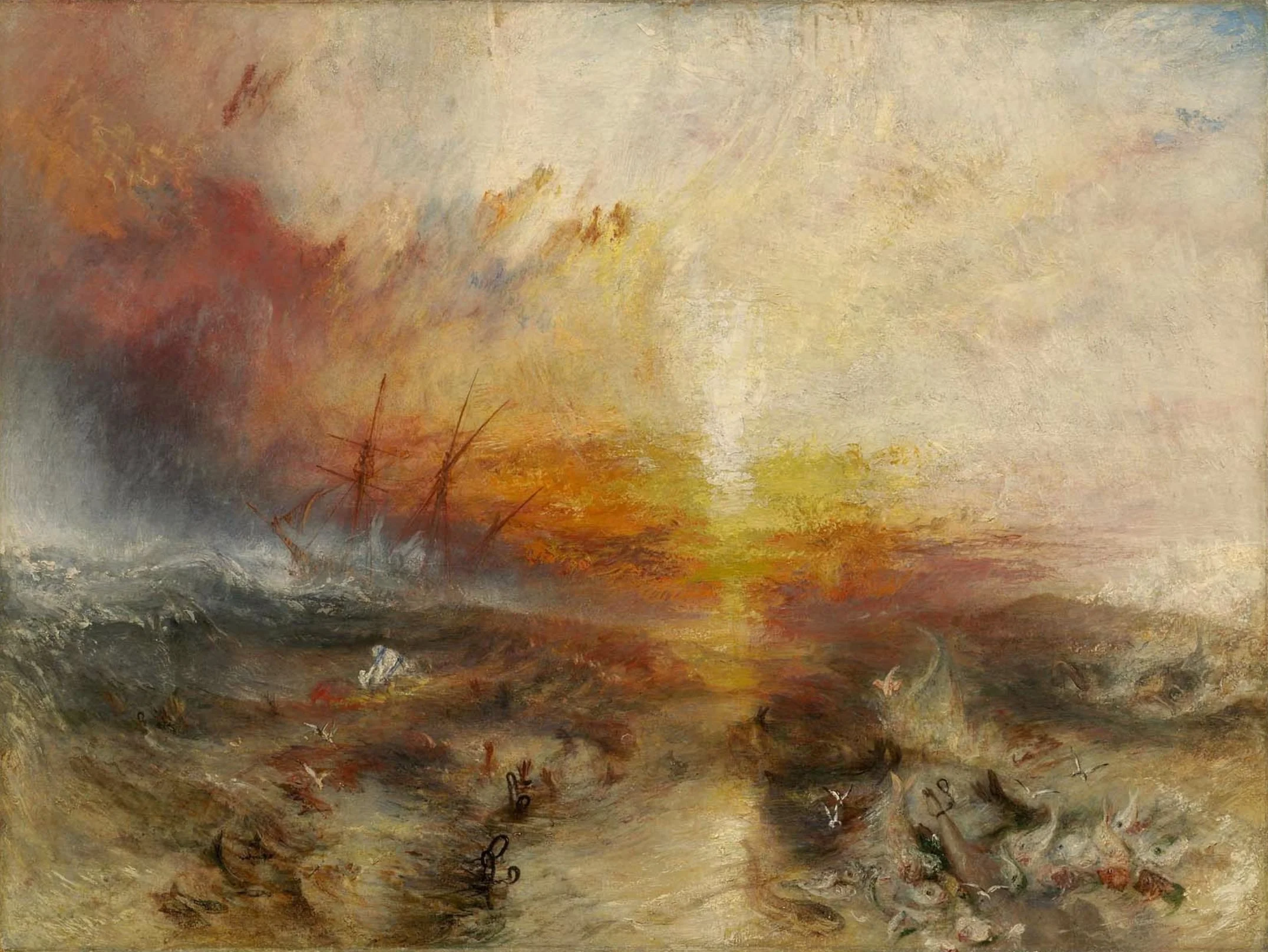
The Zong Massacre: A Black History Story I Was Never Taught
In 1781, over 130 enslaved Africans were thrown overboard from the slave ship Zong for insurance profit. This is the story history rarely teaches.
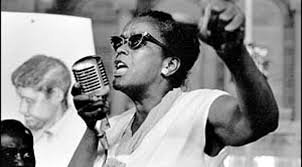
Key Facts About Civil Rights Activist and Leader Ella Baker
Ella Baker was one of the most influential yet often overlooked leaders of the Civil Rights Movement. Known for her belief in grassroots organizing and collective leadership, she helped shape major civil rights organizations and empowered a generation of young activists.
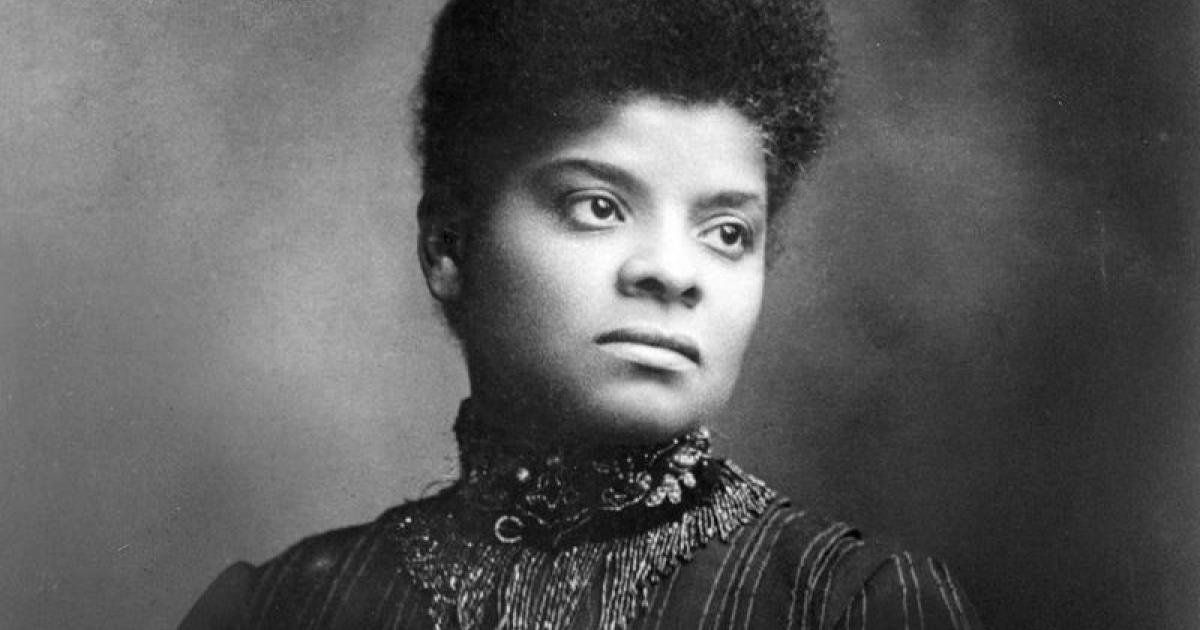
Why Ida B. Wells Is Significant to Black History
Ida B. Wells was a fearless journalist, educator, and anti-lynching activist who exposed the truth about racial violence in America. At a time when speaking out could cost her life, she used her pen as a weapon for justice and helped shape the early Civil Rights Movement.